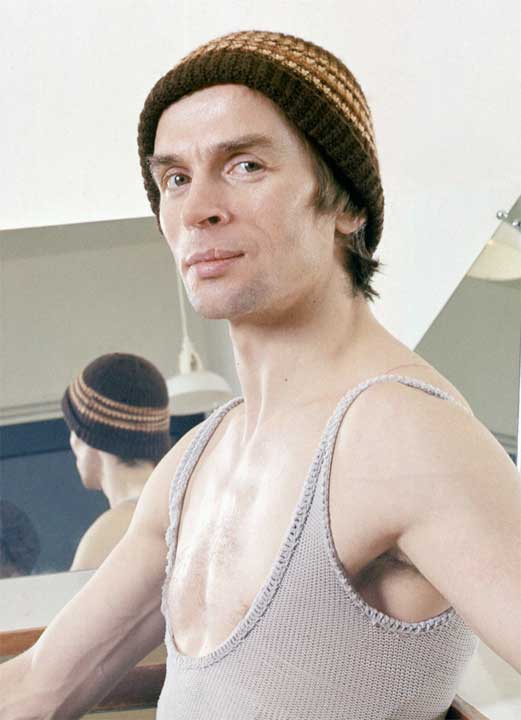
Rudolf Nureyev was one of the greatest and most charismatic ballet dancers of the twentieth century, a performer of extraordinary power and presence whose defection from the Soviet Union became one of the sensations of the Cold War. Born, by his own account, on a train crossing Siberia, he grew up in poverty in the Soviet republic of Bashkiria and came late to formal ballet training before winning a place at the famed Kirov company in Leningrad.
His phenomenal talent quickly made him a star. In 1961, while on tour with the Kirov in Paris, Nureyev made a dramatic dash for freedom at the airport, defecting to the West — a leap into the unknown that made headlines around the world and cost him years of separation from his homeland.
In the West he became an international superstar. His celebrated partnership with the great English ballerina Margot Fonteyn, decades his senior, electrified audiences and revitalized her career, and the two became one of the most famous pairings in the history of dance. Nureyev's animal magnetism, athleticism, and dramatic intensity drew huge crowds and helped popularize ballet for a mass public.
A tireless performer and an influential choreographer and company director — he led the Paris Opera Ballet for several years — he danced an enormous range of roles across the world. He continued to perform even as his health declined, and died in 1993 of an illness related to AIDS, mourned as a legend of the stage.