Timetables Used the for First Time
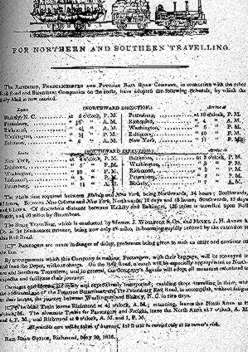
In the earliest days of American railroading, when lines often consisted of a single track shared by trains running in both directions, operators needed a way to prevent collisions and decide which train held the right of way. One crude early practice relied on designated meeting points between stations, where the first train to arrive could proceed. Such arrangements frequently led to confusion and disputes among crews, sometimes ending in arguments or fights.
To bring order, railroads adopted printed timetables that specified when and where trains were scheduled to run and meet. By assigning fixed schedules and clear rules of priority, timetables reduced uncertainty and the risk of collision on single-track lines. This system became a foundation of railroad operating practice and grew more sophisticated over time, especially once the telegraph allowed dispatchers to coordinate movements. Reliable scheduling made rail travel safer and more dependable, supporting the steady growth of traffic.