Around the War Flight
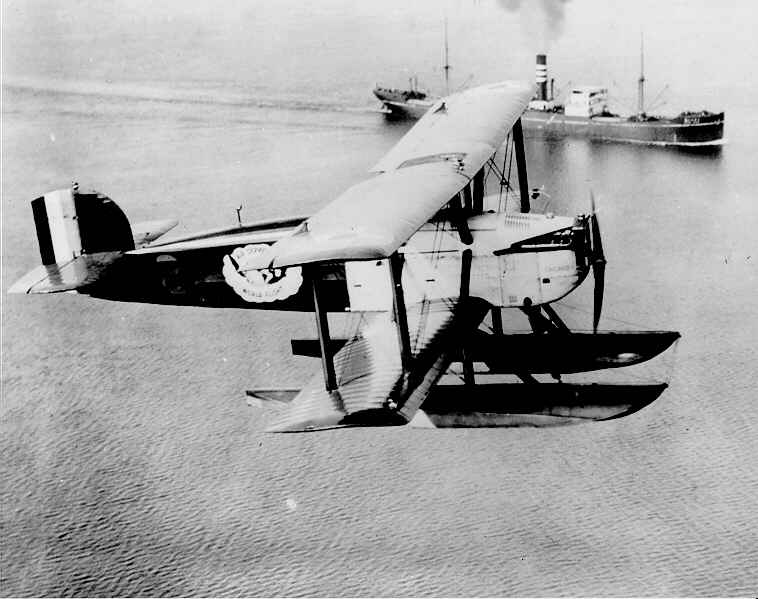
On September 28, 1924, two American aircraft, The Chicago and The New Orleans , returned to the United States after completing the first successful round-the-world flight. The journey, organized by the United States Army Air Service, took 175 days and covered an astonishing 26,343 miles. Four Douglas World Cruiser aircraft had originally set out from Seattle, Washington, on April 6, 1924, with the goal of demonstrating the feasibility of long-distance air travel and showcasing the capabilities of U.S. aviation.
The expedition faced numerous challenges, including harsh weather, mechanical failures, and the need to coordinate with dozens of countries to secure landing rights, fuel, and logistical support. The team’s route crossed the United States, the Atlantic, Europe, Asia, and the Pacific, with key stops in Iceland, the British Isles, the Middle East, India, Japan, and Alaska.
Of the four planes that began the journey, two— The Boston and The Seattle —were forced to drop out due to accidents. The Seattle crashed in Alaska early in the trip, while The Boston was lost during the Atlantic crossing, though its crew was rescued. The remaining two aircraft persevered, with pilots Lt. Lowell H. Smith ( The Chicago ) and Lt. Erik Nelson ( The New Orleans ) achieving aviation history upon their return to Seattle.
The successful completion of the flight was hailed as a milestone in aviation, showcasing the reliability of the Douglas World Cruiser aircraft and the skill of the U.S. Army aviators. The mission required meticulous planning and coordination, as well as the cooperation of numerous governments and organizations worldwide to provide logistical support along the way.
The round-the-world flight significantly advanced the development of aviation technology and international air routes, inspiring future long-distance flights and strengthening the perception of aviation as a practical means of global transportation. Both The Chicago and The New Orleans are now preserved as historic artifacts, with The Chicago displayed at the Smithsonian National Air and Space Museum as a testament to this groundbreaking achievement.