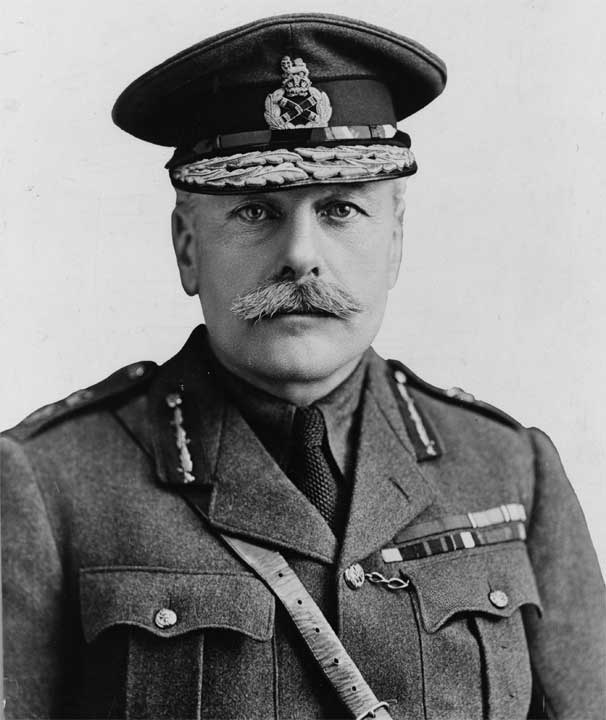
Douglas Haig was the British field marshal who commanded the British armies on the Western Front through much of the First World War, a figure whose name remains forever bound to the vast bloodletting of the trenches. Born in Edinburgh into a wealthy whisky-distilling family, he was educated at Oxford and Sandhurst, was commissioned into the cavalry, and saw service in the Sudan and the South African War before the great conflict that would define his career.
He rose to command the British Expeditionary Force in France in late 1915 and led it for the rest of the war. Convinced that the war could be won only by wearing down the German army in a sustained offensive, Haig launched the massive battles that have come to symbolize the horror of the conflict — above all the Somme in 1916 and Passchendaele in 1917 — in which hundreds of thousands of men were killed or wounded for small gains of ground.
His critics, then and since, condemned him as a stubborn "butcher" who squandered a generation in futile frontal assaults. His defenders argue that he faced an enemy of formidable strength with the limited tactics of the day, and that his armies ultimately delivered the offensives of 1918 that broke the German lines and won the war.
After the armistice, Haig devoted himself to the welfare of the millions of returning veterans, helping to found and lead the British Legion. He died in 1928, mourned by many former soldiers even as debate over his generalship continued.