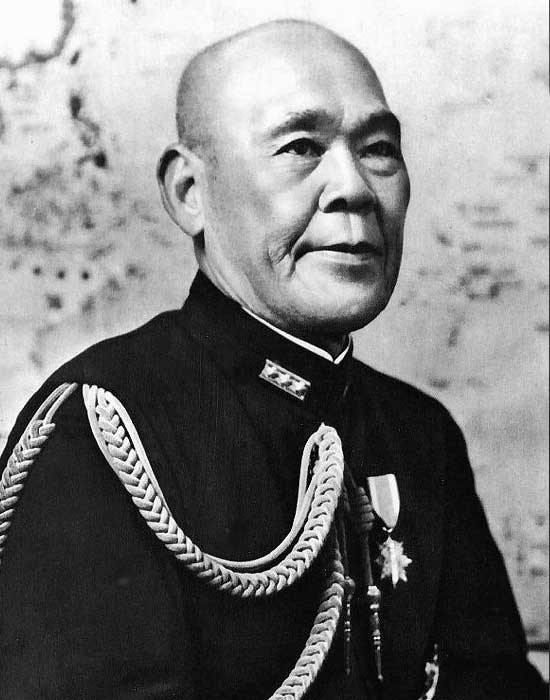
Imre Nagy was the Hungarian communist leader who became the symbol and martyr of his nation's doomed 1956 uprising against Soviet domination. Born in Kaposvár, he was taken prisoner during the First World War and converted to communism in revolutionary Russia, later spending years in Moscow as a loyal party functionary.
Returning to Hungary after the Second World War, Nagy held senior posts in the new communist regime. A relative moderate, he became prime minister in 1953 and introduced a "New Course" easing Stalinist repression, before hardliners forced him out and expelled him from the party.
In October 1956 a popular revolution erupted in Budapest against Soviet rule, and the desperate authorities turned to the reform-minded Nagy, restoring him as prime minister. Swept up by the revolution, he went far beyond what Moscow could tolerate — promising free elections, releasing political prisoners, and announcing Hungary's withdrawal from the Warsaw Pact and its neutrality.
The Soviet Union responded by sending tanks into Budapest in November 1956, crushing the uprising at the cost of thousands of lives. Nagy took refuge in the Yugoslav embassy, was lured out under a guarantee of safe passage, and was arrested. After a secret trial, he was executed in 1958. His reburial in 1989 became a defining moment in the fall of Hungarian communism.