Campaigns · Seven Days through Antietam
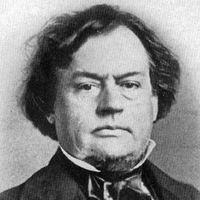
Robert Augustus Toombs as born on July 2, 1810, in Wilkes County, Georgia. After graduating from Union College, in Schenectady, New York, he served as a state legislator (1837-43) and a Whig member of the US House of Representatives (1844-52). Toombs also served in the US Senate, but as a Democrat and Constitutional Unionist (1852-61). Counting Alexander S. Stephens and Howell Cobb among his political allies, he supported the Compromise of 1850.
Toombs became a rich land owner and slave owner, and was known to his constituents as "Bob" Toombs. When Lincoln was elected President, Toombs chose to join the Confederacy, and resigned his seat in the Senate in 1861. He was nominated for the office of President of the Confederacy, and was seriously disappointed when he lost to Jefferson Davis. Accepting an appointment as Confederate Secretary of State, he served until July 1861, then was appointed a brigadier general (July 19, 1861).
Toombs fought in the Seven Days' Campaign through the Battle of Antietam, in which he was wounded. During his executive and military service, he maintained his seat in the Confederate Congress, and continually criticized the military policies of the Confederacy. When he had not been promoted by 1863, he resigned his commission and spent the rest of the war protesting the Confederate government's policies.
He joined the state militia briefly, to fight against Maj. Gen. William T. Sherman in Georgia. When the Confederacy was defeated, Toombs left the country, returning in 1867. Upon his return, he again became a major influence in Georgia politics, but never held elected office again, since he refused to apply for a pardon. Toombs died in Washington, Georgia, on December 15, 1885.