Opposition to Railroads
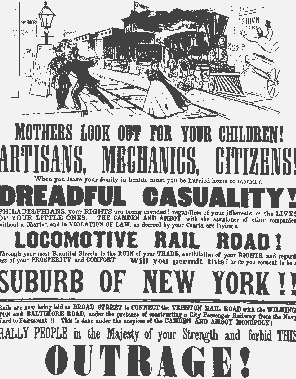
The arrival of the railroad in the 1830s provoked strong opposition from established transportation interests, particularly the operators of canals and stagecoach lines. Recognizing that the 'iron horse' threatened their livelihoods, these rivals fought the railroads vigorously, taking out advertisements that warned of danger and disruption. Some critics raised fears about sparks, noise, accidents, and harm to farmland and livestock, while others lobbied legislatures to limit or block new charters.
Despite this resistance, the advantages of rail transport proved overwhelming. Railroads offered speed, reliability, and year-round service that frozen winter canals and slow wagon roads could not match. In the first decade of American rail history, builders laid thousands of miles of track, and by the 1840s railroads had clearly surpassed their competitors. The early opposition ultimately failed, and many canal and coach operators were forced to adapt, invest in railroads themselves, or fade from prominence.