First Railroad Explosion
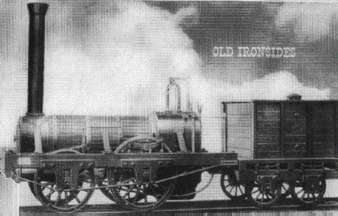
On June 17, 1831, the United States experienced its first locomotive boiler explosion when the engine known as the Best Friend of Charleston burst on the South Carolina Canal and Rail Road Company's line near Charleston. The accident occurred because a fireman, annoyed by the hissing of escaping steam, held down the safety valve to silence it. With the valve closed, pressure built without relief until the boiler ruptured, scalding the crew and killing the fireman responsible.
The disaster was a sobering lesson for an industry still in its infancy. Operators learned that steam pressure had to be respected and that safety devices could not be defeated by inexperienced crews. In response, the company ran a 'barrier car' loaded with baled cotton between the locomotive and the passenger cars to shield travelers. The episode spurred greater attention to boiler design, valve safeguards, and crew training, helping establish early standards of mechanical safety as American railroading expanded.