First American Steam Engine
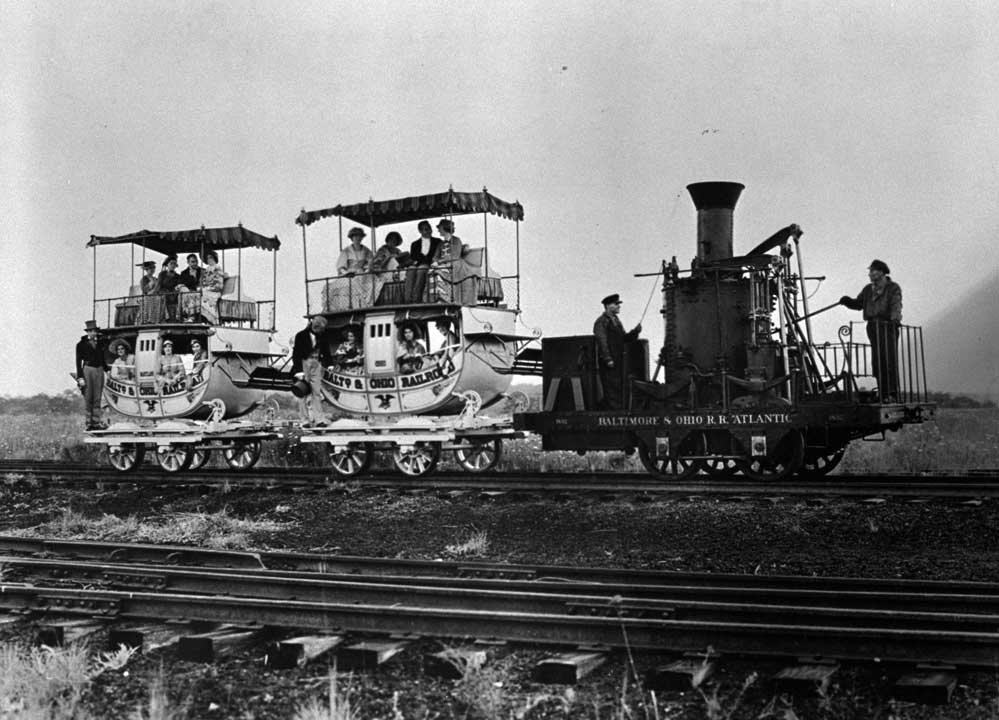
John Stevens of Hoboken, New Jersey, was one of the earliest American advocates of steam railroads, and on March 21, 1823 he obtained a charter to build a steam-powered railroad in Pennsylvania. Although that venture was never constructed, it reflected a growing conviction that rails could rival canals. In Pennsylvania the state itself later built the Philadelphia and Columbia Railroad as part of its public works system; the first sections opened in 1829, and the completed line linking Columbia and Philadelphia entered service in 1834.
These early charters and lines marked the transition from experiment to practical transportation. Stevens helped establish the legal groundwork for chartered railroad companies, while the Philadelphia and Columbia showed that long-distance rail routes could be built and operated successfully. Together they encouraged investors, engineers, and legislators to embrace railroads, accelerating construction of the networks that would soon spread across the eastern United States.