Douglas AD Skyraider
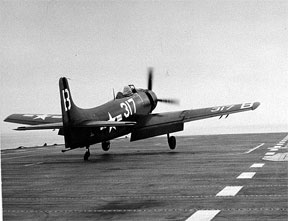
The Douglas AD Skyraider (later redesignated A-1) was a single-seat, propeller-driven carrier attack aircraft designed by Ed Heinemann at the very end of World War II. The prototype XBT2D-1 first flew in March 1945, too late for that war, but the rugged piston-engine design went on to a long and storied career. Powered by a big Wright R-3350 radial, the Skyraider could carry an enormous and varied ordnance load, more than some four-engine WWII bombers, on its many underwing hardpoints.
It flew extensive close air support and attack missions during the Korean War and again in Vietnam, where its long loiter time and heavy payload made it invaluable for supporting ground troops and protecting downed-pilot rescues. Skyraiders even shot down enemy MiG jets. Tough, reliable and beloved by crews who nicknamed it the "Spad," Douglas built more than 3,000 in numerous variants, and the type served the U.S. Navy, Air Force and allied nations into the 1970s.
Specifications
- Manufacturer
- Douglas
- Type
- Carrier-based attack aircraft
- Crew
- 1
- First Flight
- March 18, 1945
- Powerplant
- 1 x Wright R-3350 radial
- Max Speed
- approx. 320-365 mph
- Range
- 1,500+ miles
- Service Ceiling
- approx. 26,000 ft
- Length
- 39 ft
- Wingspan
- 50 ft
- Loaded Weight
- 10,500 lb (empty)
- Armament
- Cannon plus up to 8,000 lb of bombs, rockets and torpedoes on underwing hardpoints