Haiti Independent
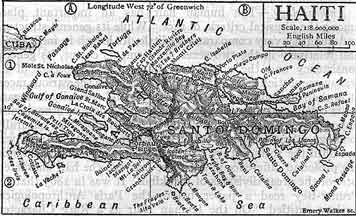
The French colony of Saint-Domingue, the wealthiest plantation colony in the Caribbean, was convulsed by a massive slave uprising beginning in 1791. Inspired in part by the ideals of the French Revolution and led by figures such as Toussaint Louverture, the enslaved population fought for emancipation, and France abolished slavery in its colonies in 1794.
Napoleon Bonaparte sought to restore French control and slavery, dispatching a large expedition under his brother-in-law General Leclerc. The French captured Toussaint by treachery, but his lieutenants, notably Jean-Jacques Dessalines, continued the fight. Yellow fever and fierce resistance destroyed the French army, and the surviving forces withdrew after their decisive defeat at the Battle of Vertieres in late 1803.
On January 1, 1804, Dessalines proclaimed the independence of the colony, restoring its Indigenous name of Haiti and establishing the first independent state led by formerly enslaved people. The new republic abolished slavery permanently, and in the conflict's aftermath much of the remaining white population was killed or fled. Haiti's revolution stood as a singular achievement in the history of the Americas.