Columbia Independent
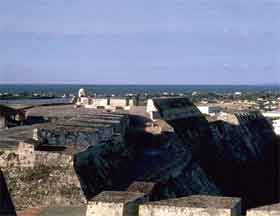
The collapse of the Spanish monarchy after Napoleon's 1808 invasion of Spain triggered a wave of self-government movements across the viceroyalty of New Granada, in present-day Colombia. Local juntas formed in several provinces, and the port city of Cartagena emerged as a center of the independence cause, its merchants and creole leaders increasingly unwilling to recognize authorities loyal to the deposed Spanish crown.
On November 11, 1811, Cartagena issued a formal declaration of absolute independence from Spain, one of the earliest such declarations in Spanish South America. This was part of a broader fragmentation of New Granada into rival provinces and competing political factions, a period later remembered as the Patria Boba, or 'Foolish Fatherland,' marked by disunity that left the patriots vulnerable.
Spain mounted a determined reconquest, and in 1815 royalist forces under Pablo Morillo besieged and captured Cartagena, restoring colonial rule for several years. Lasting independence came only after Simon Bolivar's victory at the Battle of Boyaca in 1819, which led to the creation of the Republic of Colombia. Cartagena's 1811 declaration remained an important early milestone in that long struggle.