Pickney's Treaty
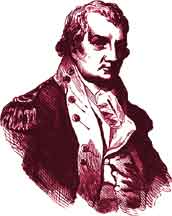
Pinckney's Treaty, formally known as the Treaty of San Lorenzo, was concluded between the United States and Spain in 1795 and named for the American envoy Thomas Pinckney who negotiated it. For years the two nations had quarreled over the boundary of Spanish Florida and over American access to the Mississippi River, which was vital to farmers in the western territories who shipped their goods downstream.
Under the treaty Spain accepted the thirty-first parallel as the southern boundary of the United States, settling the long-standing border dispute in the Southwest. Spain also granted Americans the right to navigate the full length of the Mississippi River and the "right of deposit" at New Orleans, allowing them to store goods there duty-free for transfer to oceangoing vessels.
The agreement was a major diplomatic success for the young republic, opening the Mississippi to western commerce and easing frontier tensions with Spain. It strengthened national unity by binding the trans-Appalachian settlers more firmly to the United States. The navigation rights it secured grew so important that their later suspension helped prompt the negotiations leading to the Louisiana Purchase in 1803.