Dutchfield Colony to the British
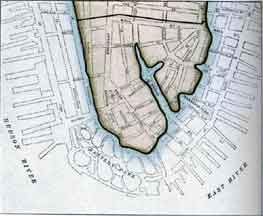
New Amsterdam was the principal settlement of the Dutch colony of New Netherland, founded on the southern tip of Manhattan Island as a fur-trading post and administered by the Dutch West India Company. By the 1660s it had grown into a diverse, commercially active port, but England, a rising naval and commercial rival, coveted its strategic harbor and its position between the English colonies of New England and the Chesapeake.
In 1664 an English fleet sent by the Duke of York sailed into the harbor and demanded the colony's surrender. The director-general, Peter Stuyvesant, wished to resist, but the town's inhabitants, recognizing the hopelessness of their position and the generous terms offered, refused to fight. The Dutch surrendered without a shot being fired, and the English renamed the colony and its chief town New York in honor of the Duke.
The peaceful transfer gave England control of a continuous stretch of the Atlantic seaboard and a superb deep-water port. The Dutch briefly retook the settlement in 1673 before ceding it permanently by treaty the following year. Under English rule New York grew into one of the most important cities in colonial America, retaining much of its Dutch commercial character and ethnic diversity.