Custer Killed
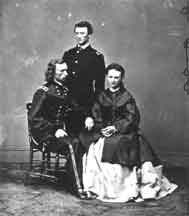
The Battle of the Little Bighorn was fought on June 25 and 26, 1876, in Montana Territory, during the United States Army's campaign to force the Lakota Sioux and Northern Cheyenne onto reservations. The discovery of gold in the Black Hills had brought a flood of settlers onto lands guaranteed to the Sioux by treaty, sparking resistance led by chiefs and spiritual leaders including Sitting Bull and Crazy Horse.
Lieutenant Colonel George Armstrong Custer, leading the Seventh Cavalry, attacked a large encampment along the Little Bighorn River without grasping its size. His command was divided, surrounded, and overwhelmed by the far more numerous warriors. Custer and the more than two hundred men under his immediate command were killed, a stunning defeat that shocked the nation as it celebrated the centennial of independence.
The victory, though one of the greatest ever won by Plains peoples, ultimately hastened their defeat. An outraged United States poured soldiers into the region, and within a few years the Sioux and Cheyenne were compelled to surrender, with their leaders killed, exiled, or confined to reservations. The battle became one of the most famous events of the Indian Wars and entered American memory as "Custer's Last Stand."