Treaty of Amasya
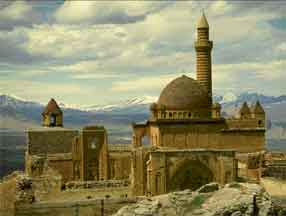
Throughout the first half of the sixteenth century the Sunni Ottoman Empire and the Shia Safavid Persia under Shah Tahmasp I waged a series of wars for control of the borderlands of Mesopotamia, the Caucasus, and eastern Anatolia, regions of strategic and religious significance to both powers.
In 1555 the two empires concluded the Treaty of Amasya, the first formal peace between them, bringing the long conflict to an end. Under its terms the Safavids recognized Ottoman sovereignty over Iraq, including Baghdad, and over much of the lands of western Armenia and Mesopotamia, while Persia retained the eastern Caucasus and Azerbaijan.
The treaty also addressed the contested Caucasus, dividing influence over Georgia and Armenia between the two empires, and Tahmasp agreed to halt the ritual cursing of the first caliphs that offended Sunni sensibilities. The peace held for roughly two decades before renewed warfare broke out, but it set an enduring pattern for Ottoman-Safavid frontier diplomacy.