Nadir Free Persia
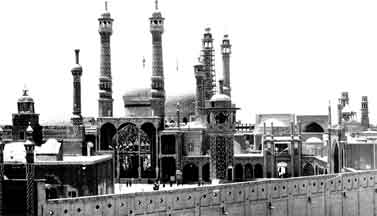
The Safavid dynasty, which had ruled Persia since Ismail I's victories in the opening years of the sixteenth century and established Shia Islam as the state religion, fell into deep decline in the early eighteenth century. An Afghan invasion in 1722 captured the capital Isfahan and shattered Safavid authority.
A gifted military commander named Nadir, of the Afshar Turkic tribe, rose to drive out the Afghans and restore order in the name of Safavid claimants. In 1736, after deposing the child shah Abbas III, Nadir had himself proclaimed ruler, ending the Safavid line and founding the Afsharid dynasty.
Nadir Shah, who broke with the Safavid emphasis on Shia orthodoxy, proved a formidable conqueror. He expelled the Ottomans and Russians from Persian territory and in 1739 invaded India, sacking Delhi and carrying off vast treasure, including the Peacock Throne. His later reign grew increasingly tyrannical, and his assassination in 1747 plunged Persia into prolonged disorder.