Van Gogh Dies
Vincent van Gogh, the Dutch Post-Impressionist painter, died on July 29, 1890, in Auvers-sur-Oise, France, of a gunshot wound widely believed to have been self-inflicted. He was thirty-seven years old and had been painting intensively for only about a decade.
Despite producing some two thousand works, including around nine hundred paintings, van Gogh achieved little commercial success during his life, selling very few works and depending heavily on the support of his brother Theo. His bold color, expressive brushwork, and emotional intensity were largely unappreciated by his contemporaries.
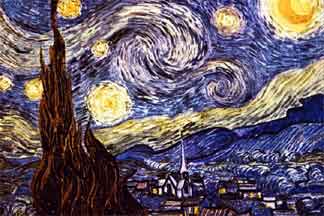
Among his best-known paintings are The Starry Night, his series of Sunflowers, and numerous self-portraits and landscapes. In the years after his death his reputation grew enormously, and he came to be regarded as one of the most influential figures in the history of Western art and a forerunner of modern painting.