Rembrandt Dies
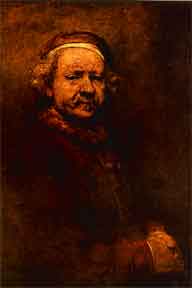
Rembrandt Harmenszoon van Rijn, the foremost Dutch painter of the seventeenth century, died in Amsterdam in 1669. A master of painting, drawing, and etching, he worked during the Dutch Golden Age and produced an extraordinary body of portraits, biblical scenes, and self-portraits.
Among his most famous works is the large group portrait commonly known as The Night Watch, painted in 1642, which transformed the conventional civic-guard portrait into a dynamic, dramatic scene. His religious paintings, such as the late Simeon in the Temple, reveal his profound interest in human emotion and spirituality.
Rembrandt was celebrated above all for his command of light and shadow, using deep contrasts to heighten mood and focus attention. Despite achieving early success, he faced financial difficulties in his later years, yet his late works are often considered among his most moving, and his influence on Western art has been immense.