Debussy Composes "Prelude a Lapres-midi Dun Faune"
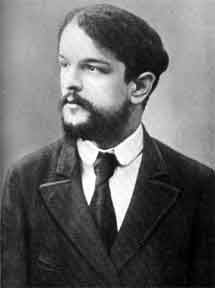
Claude Debussy, the French composer often associated with musical Impressionism, completed Prelude a l'apres-midi d'un faune (Prelude to the Afternoon of a Faun) in 1894. The orchestral work was inspired by the eclogue of the same name by the Symbolist poet Stephane Mallarme.
The piece evokes the dreamlike reverie of a faun on a warm afternoon, opening with a celebrated, languid flute solo. Through fluid harmony, shifting orchestral color, and free, unhurried phrasing, Debussy departed from the formal structures of German Romanticism in favor of suggestion and atmosphere.
Widely regarded as a turning point in the history of Western music, the Prelude is often cited as a starting point of musical modernism. Its innovations in harmony and timbre influenced many later composers, and the work was famously reimagined in 1912 as a ballet by Vaslav Nijinsky for the Ballets Russes.