How Students Studied Before the Internet
Card catalogs, index cards, and microfilm — what the slower system cost, and which of its habits are still worth keeping
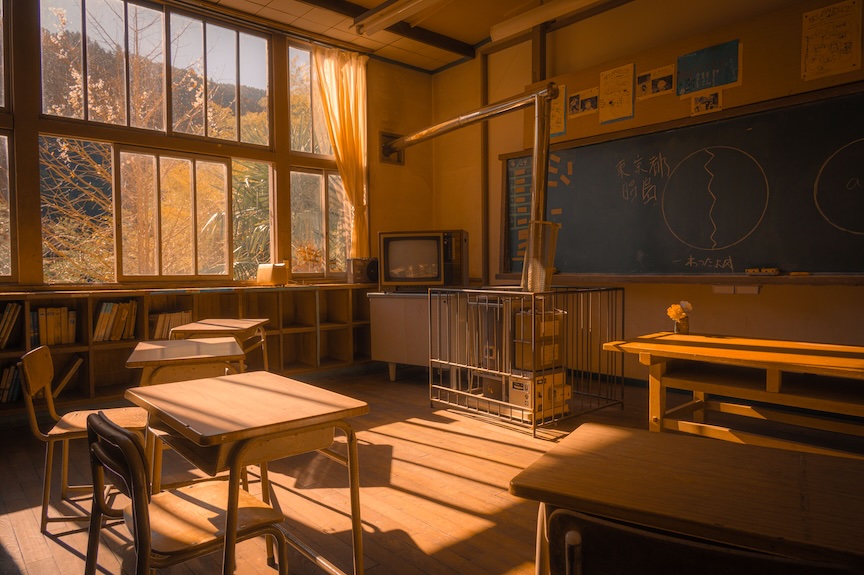
A student with a research paper due on Friday once had a very different kind of problem. It was not a matter of opening twenty tabs, skimming search results, and wondering which source looked credible. The problem was physical. The library closed at 9 p.m. The one useful book might already be checked out. The photocopier needed coins. The encyclopedia entry was too short. And if the student’s notes were messy, there was no search bar to rescue them later.
Studying before the internet was not automatically better. That idea gets romanticized too often. It was slower, less convenient, and deeply uneven depending on a student’s school, town, money, and access to a decent library. Still, the old system forced certain habits that many students now have to relearn: planning ahead, reading with intention, keeping organized notes, and judging sources before using them.
It also made academic work feel heavier. Literally. Students carried books, binders, index cards, photocopied journal pages, and sometimes a portable typewriter. If they were overwhelmed, they asked a teacher, a librarian, a classmate, or a family member. Today a student might search for help with a phrase like do my paper when deadlines pile up; decades ago, the equivalent was often a late-night call to a friend, a desperate visit to the reference desk, or a handwritten outline finished at the kitchen table.
The Library Was the Search Engine
Before Google, the library catalog was the gateway. Not a neat box with instant results, but rows of wooden drawers filled with cards. Each card listed a book by title, author, or subject. Students learned to think in categories because the system demanded it. If you were writing about the causes of the Great Depression, you did not just type the whole question. You looked under subject headings such as economics, United States history, banking, unemployment, or New Deal.
That sounds clunky because it was. It also trained students to narrow a topic early.
A common mistake was choosing a subject too broad for the material available. “World War II” was not a paper topic; it was a library wing. A good student learned to ask: Which country? Which year? Which front? Which social effect? Librarians often helped turn vague ideas into manageable research questions. In many schools, the librarian was not just the person who stamped due dates. They were the human algorithm.
Students used a mix of tools, many of them now unfamiliar:
- Card catalogs for finding books by subject, author, and title
- Encyclopedias for background reading, not final evidence
- The Reader’s Guide to Periodical Literature for locating magazine and journal articles
- Microfilm and microfiche machines for old newspapers and archived documents
- Bibliographies at the back of books to discover more sources
- Interlibrary loan forms when the local library did not own a needed text
The work took days, sometimes weeks. That delay shaped the assignment. You could not begin serious research the night before unless you were willing to submit something thin.
Note-Taking Was a Survival Skill
Old-school studying depended on notes because sources were not always available after you left the building. A student might spend two hours with a reference book that could not be checked out. If the notes were sloppy, the information was gone.
Index cards were everywhere. One card for each fact, quotation, statistic, or idea. The top corner might include the source number, and the bottom might carry a page reference. Students could shuffle the cards into sections, build an outline, and see where the argument was weak. It was a simple system, but it worked.
The best students did not copy entire paragraphs. They summarized. They marked direct quotations carefully. They separated their own thoughts from the author’s claims. That distinction mattered because plagiarism was still plagiarism, even when detection depended on a teacher’s memory rather than software.
There is a lesson here for current students. Digital notes often become dumping grounds: copied links, screenshots, pasted chunks of text, half-labeled PDFs. The older method forced compression. If you had to write a note by hand, you were more likely to ask whether it was worth keeping.
The Pace Changed the Way Students Read
Pre-internet reading had fewer distractions, but not because students were morally superior. The environment simply offered fewer escape routes. A library desk held a book, a notebook, maybe a pencil case. There were no notifications. No autoplay. No quick jump from the French Revolution to basketball highlights.
That did not mean every student was focused. Plenty daydreamed, passed notes, doodled, or stared at the clock. But when they were working, they often read longer sections of text at a time. They had to. A chapter could not be replaced by a search result snippet.
This changed how students understood material. They were more likely to encounter context: the paragraph before the key quote, the author’s larger argument, the footnote that complicated everything. It was harder to cherry-pick evidence by accident. Harder, not impossible.
For students now, one practical takeaway is to recreate that slower reading space when the assignment calls for it. Open the PDF. Close the tabs. Read five pages before highlighting anything. Then decide what the author is actually saying.
Writing Meant Drafts, Not Just Edits
Writing before the internet also had a different rhythm. Many students drafted by hand and then typed the final version. A serious revision could mean retyping entire pages. Moving a paragraph was not a drag-and-drop gesture; it involved scissors, tape, arrows, or a very patient rewrite.
Because revision was costly, planning mattered. Teachers often required outlines, thesis statements, and rough drafts. Not as busywork, but as damage control. A weak structure discovered at the typing stage could ruin a weekend.
Citation work was slower too. Students consulted style guides in print and copied formats carefully. Today, citation generators can help, but they also encourage carelessness. The underlying skill remains the same: knowing what information a reader needs to find the source. Purdue University’s Online Writing Lab remains a widely used academic reference for research and citation guidance, especially because it explains the logic behind documentation rather than treating it as decoration.
What Students Gained and Lost
It is tempting to turn the pre-internet student into a heroic figure: disciplined, patient, buried in books. That picture is only partly true. Many students struggled because they lacked access. A small school library might have outdated materials. Rural students could not always reach a university collection. Working students had little time to visit a library during open hours. Students with disabilities often faced barriers that digital tools now reduce.
The internet solved many of those problems. It brought journal databases, digitized archives, recorded lectures, translation tools, and remote collaboration. That is no small thing.
Still, the older study culture did teach habits worth keeping:
- Start with a focused question rather than a broad topic.
- Track every source as soon as you use it.
- Take notes in your own words before copying quotations.
- Read enough context to understand the evidence.
- Leave time for dead ends, because research always has them.
Those habits are not nostalgic. They are practical.
The Real Difference Was Attention
So, how students studied before the internet was less about one magical method and more about a different relationship with time. Research moved at the speed of library hours, postal requests, photocopiers, and human help. Students had fewer sources at their fingertips, but they often spent more time with the sources they did have.
The smartest approach now is not to reject digital tools or pretend card catalogs were better. They were not. The better lesson is to combine access with discipline. Use the speed of online research, but keep the older habits of planning, note-taking, source tracking, and sustained reading.
A search engine can find information in seconds. Understanding still takes longer. That part has not changed.