How the United States built its economy in the first decades of independence — Hamilton’s financial revolution, the national bank, the Panic of 1819, and the growth of land, transport and industry.
A Young Economy Finds Its Feet
1783The debt-ridden, depressed economy the new nation inherited from the Revolution.
Read more →The hard economic times that followed independence.
Read more →Why the Confederation’s weak economic powers nearly sank the republic.
Read more →
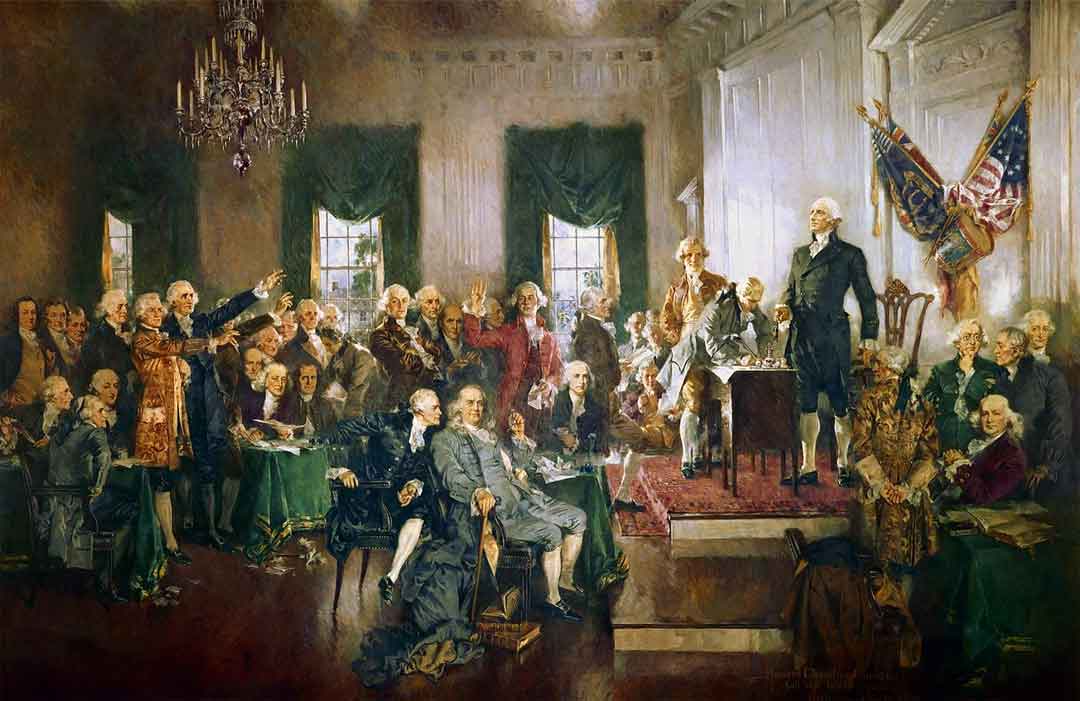
1787How economic crisis drove the framing of a stronger national government.
Read more →

timelineThe economic events of the early republic, in order.
Read more →Building the Nation’s Credit
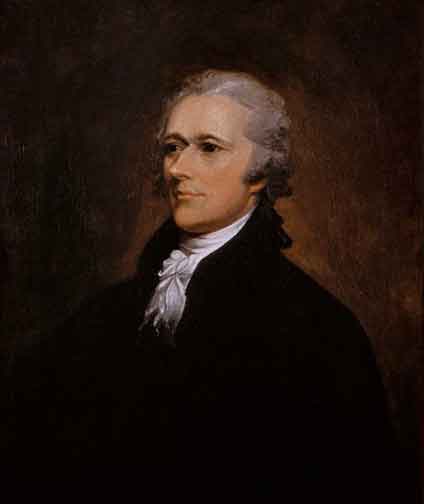
financeAlexander Hamilton’s bold plan to put the new nation on a sound financial footing.
Read more →The clash between Hamilton and Jefferson over the shape of the economy.
Read more →The frontier tax revolt that tested federal authority.
Read more →
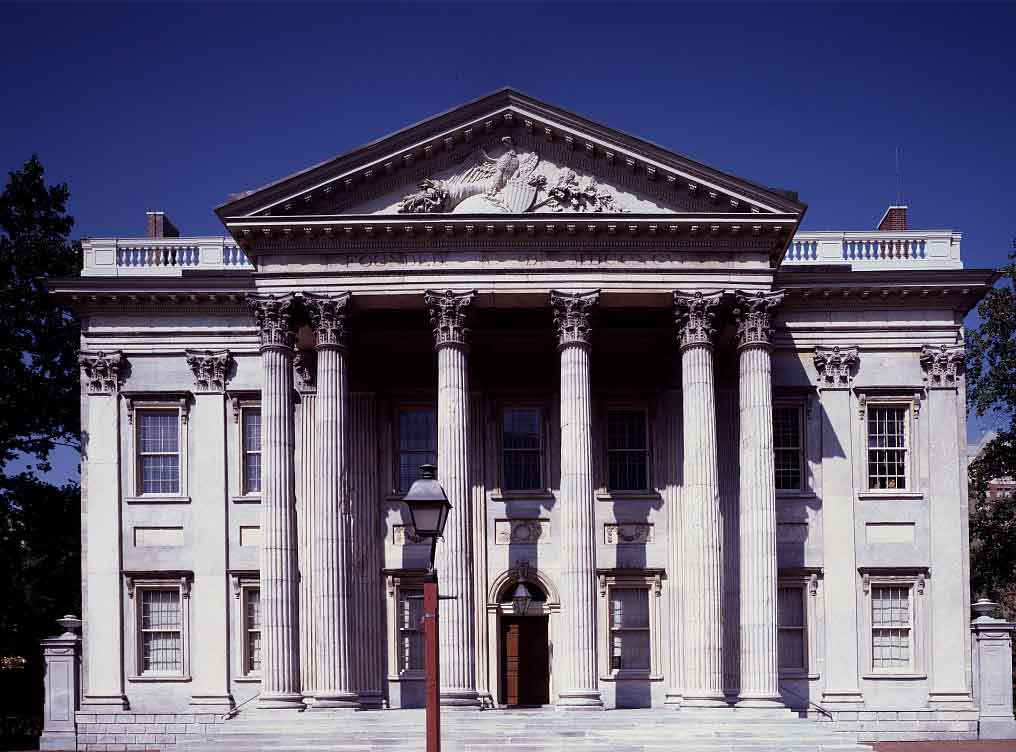
bankingHow the First Bank of the United States steadied the nation’s finances.
Read more →
1811The lapse of the First Bank’s charter and its consequences.
Read more →
1816The rechartered national bank and its turbulent early years.
Read more →The economic strains that built toward the first great panic.
Read more →
depressionThe nation’s first major financial panic and depression.
Read more →Growth, Land and Industry
introductionHow Americans began to knit a continental economy together.
Read more →
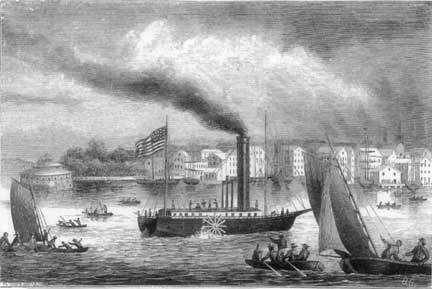
infrastructureRoads, turnpikes, canals and steamboats that moved goods to market.
Read more →
frontierThe great movement of Americans into the trans-Appalachian West.
Read more →
industryThe early factories and machines that began American industry.
Read more →The protective tariffs meant to shield young American industry.
Read more →Take HistoryCentral with you. Our apps put American history and centuries of the human story in your pocket.