Wounded Knee
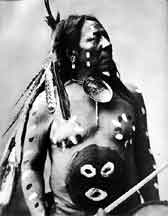
By 1890 the Lakota Sioux, confined to shrinking reservations in the Dakotas and gripped by hunger after years of broken treaties and failed harvests, had embraced the Ghost Dance—a spiritual movement promising the renewal of the land and the return of the buffalo and the dead. Alarmed settlers and nervous Indian agents read the dance as a prelude to war and called for troops. In the tense weeks that followed, reservation police killed the Hunkpapa leader Sitting Bull during a botched arrest, and a band of Miniconjou under Spotted Elk (Big Foot) set out across the frozen plains, only to be intercepted by the Seventh Cavalry near Wounded Knee Creek.
On the morning of December 29, 1890, as the soldiers tried to disarm the encampment, a shot rang out—and the cavalry, with rapid-fire Hotchkiss guns positioned on the surrounding hills, opened fire on the largely defenseless camp. When the shooting stopped, as many as 250 to 300 Lakota lay dead, most of them women and children, alongside some 25 soldiers, many felled by their own crossfire. The massacre broke the back of armed resistance and is generally regarded as the end of the Indian Wars. The site became sacred ground, and in 1973 the scene of a 71-day occupation by the American Indian Movement that drew the nation's attention back to conditions on the reservations.