The Tuscarora War
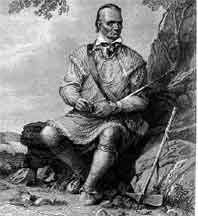
The Tuscarora were the dominant Iroquoian-speaking people of the North Carolina interior when English, German, and Swiss settlers began pushing into their territory in the early eighteenth century. Settlers seized Tuscarora land, traders cheated them, and slavers raided their towns to feed the Carolina trade in Native captives. In September 1711 the Tuscarora, under the leader Hancock, struck back, attacking the new settlements along the Neuse and Pamlico rivers and killing scores of colonists.
The Carolinians answered with expeditions drawn from their own militia and large numbers of allied Native warriors, especially Yamasee, who shattered the Tuscarora strongholds in a series of brutal campaigns. Hundreds were killed and hundreds more sold into slavery. Defeated and dispossessed, most of the surviving Tuscarora abandoned the Carolinas and migrated north to New York, where they were adopted by the Haudenosaunee. About 1722 they became the Sixth Nation of the Iroquois Confederacy, completing the league that had begun with five.