The Sioux Uprising
The Dakota War of 1862, often called the Sioux Uprising, erupted in southern Minnesota when years of broken treaties, stolen annuity payments, and the corruption of traders pushed the Dakota to the edge of starvation. Confined to a narrow strip of reservation along the Minnesota River and denied the food and money they had been promised, and told by one trader that they could eat grass, bands of Dakota under the reluctant leadership of Little Crow attacked the agencies and settlements in August 1862, killing hundreds of settlers in a few days.
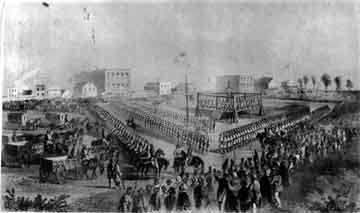
The uprising was crushed within weeks by state and federal troops. In its aftermath, a military commission condemned more than three hundred Dakota men to death after hasty trials. President Abraham Lincoln reviewed the cases and commuted most of the sentences, but on December 26, 1862, thirty-eight Dakota were hanged at Mankato in the largest mass execution in United States history. The surviving Dakota were expelled from Minnesota altogether, their reservations abolished and their people scattered onto the northern plains—a bitter prelude to three decades of war between the Sioux and the United States.