The United States Receives the Southwest
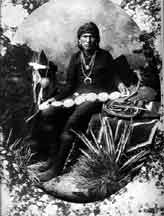
When the Mexican-American War ended with the Treaty of Guadalupe Hidalgo in 1848, the United States acquired a vast territory stretching from Texas to California. With the stroke of a pen, the many Native nations of the Southwest—the Navajo, Apache, Pueblo peoples, Tohono O'odham, and others—found that a new and far more aggressive government now claimed sovereignty over their homelands. They had not been parties to the treaty and had never been conquered, but they were now caught between Mexican and American authority on land they had inhabited for centuries.
The transfer set off decades of conflict. The United States built forts across the region and moved to confine the nomadic and semi-nomadic peoples to reservations, provoking long and bitter wars with the Apache and Navajo. In 1864 the army forced thousands of Navajo on the Long Walk to a desolate reservation at Bosque Redondo, a captivity so disastrous that the government eventually allowed them to return to a portion of their homeland. The Apache resisted longest of all, under leaders such as Cochise and Geronimo, until the final surrenders of the 1880s brought armed Native independence in the Southwest to an end.