The Northwest Ordinance
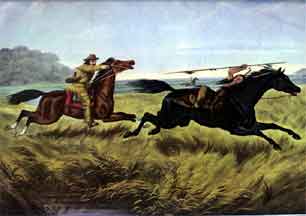
The Northwest Ordinance of 1787 laid out how the new United States would organize and settle the territory north of the Ohio River, and it is often praised for banning slavery there and promising eventual statehood to the region. It also contained a famous pledge concerning the Native nations who actually lived on the land: that 'the utmost good faith shall always be observed towards the Indians; their land and property shall never be taken from them without their consent.' On paper, it was a remarkable acknowledgment of Native rights.
In practice the promise proved hollow. Even as Congress wrote those words, surveyors and squatters were already crossing the Ohio, and the United States claimed the region by right of conquest from Britain—a claim the Shawnee, Miami, Delaware, and other nations of the Ohio country flatly rejected, since they had not been defeated and had never ceded their land. The contradiction between the Ordinance's lofty language and the relentless advance of settlement led directly to a decade of warfare in the Northwest, as the United States set out to take by force what it had pledged never to take without consent.