Lone Wolf v. Hitchcock
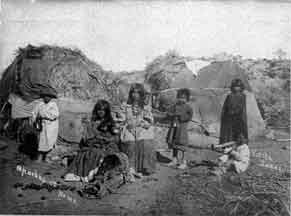
Lone Wolf v. Hitchcock was a Supreme Court decision that struck at the very foundation of Native treaty rights. The case arose when the United States moved to break up the Kiowa, Comanche, and Apache reservation in Indian Territory under the Dawes allotment policy, despite a provision in the Medicine Lodge Treaty of 1867 requiring the consent of three-quarters of the adult men before any further cession of their land. The Kiowa leader Lone Wolf sued, arguing that the government could not simply ignore a binding treaty.
In 1903 the Court ruled against him, holding that Congress possessed 'plenary'—essentially absolute—power over Native affairs and could unilaterally abrogate treaties whenever it judged the action to be in the nation's interest. The decision declared that such matters were political questions beyond the reach of the courts, leaving Native nations with no legal defense against the seizure of treaty-guaranteed land. Often called the 'Indians' Dred Scott,' Lone Wolf v. Hitchcock gave constitutional cover to decades of allotment and dispossession, and its doctrine of plenary power continues to shape federal Indian law to this day.