The Battle of the Little Bighorn
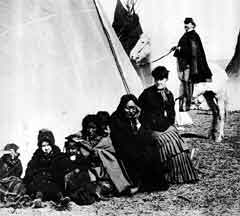
By 1876 the United States was determined to force the free Lakota and Northern Cheyenne onto reservations and to seize the gold-bearing Black Hills, in open violation of the 1868 Treaty of Fort Laramie. Thousands of Lakota, Cheyenne, and Arapaho gathered in the valley of the Little Bighorn River in present-day Montana under the spiritual leadership of the Hunkpapa holy man Sitting Bull and war leaders such as Crazy Horse—one of the largest assemblies of Plains warriors ever seen, drawn together in defense of their land and freedom.
On June 25, 1876, Lieutenant Colonel George Armstrong Custer attacked the encampment with the Seventh Cavalry without grasping its size. The warriors swiftly overwhelmed his divided command, and Custer and every man of the five companies under his immediate command—some 210 soldiers—were killed in the most famous Native victory of the Indian Wars. Yet the triumph hastened the very end it sought to prevent. A shocked nation poured troops into the plains, the great village scattered to survive, and within a year most of the free Lakota and Cheyenne had been hunted down and forced onto the reservations.