Warfare Between Settlers and Native Peoples
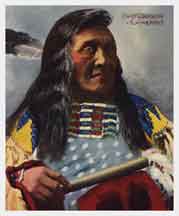
From the earliest colonial period, the advance of European and then American settlement onto Native land produced an almost unbroken record of frontier warfare. The pattern was remarkably consistent across three centuries and a continent: settlers pushed onto territory the Native nations had never ceded, friction over land, hunting, and trade flared into violence, and isolated killings escalated into raids and reprisals that engulfed whole regions. Both sides committed atrocities, but the fundamental engine of the conflict was the settlers' insatiable demand for land.
What made these wars so devastating for Native peoples was less any single defeat than the relentlessness of the pressure and the destruction of the means of survival. Colonial and American forces repeatedly burned towns, crops, and food stores to starve their enemies into submission, and disease compounded every loss. A nation might win battles, even wars, yet still be ground down by the sheer weight of numbers and the steady tide of settlement. From King Philip's War in New England to the final campaigns on the Great Plains, the frontier moved inexorably westward, and with it the dispossession of one nation after another.