Native Americans in the War for Independence
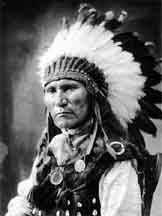
The American Revolution confronted the Native nations with an agonizing choice between two groups of colonists, and most concluded that a British victory offered the better hope of restraining the land-hungry settlers pressing on their borders. The Crown, after all, had drawn the Proclamation Line of 1763 to protect Native lands. Powerful nations such as the Shawnee, Cherokee, and most of the Iroquois Confederacy sided with Britain, while the Oneida and Tuscarora broke with their Haudenosaunee kin to support the Americans—a split that brought civil war to the once-united Confederacy.
For Native peoples the Revolution was a catastrophe regardless of which side they chose. In 1779 General John Sullivan led a scorched-earth campaign through Iroquois country, burning some forty towns and their crops and driving thousands into refugee camps to face a winter of starvation. When the war ended, the British abandoned their Native allies entirely, ceding to the United States vast territories that were not Britain's to give and that the Native nations had never surrendered. The new republic emerged claiming the trans-Appalachian west by right of conquest, and the dispossession of the eastern nations accelerated.