The French and Indian War
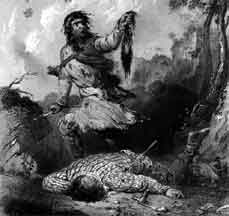
The French and Indian War was the North American front of a global struggle between Britain and France, and for the Native nations of the interior it was a war fought across their own homelands. Most allied with the French, whose smaller settler population and emphasis on trade made them the less threatening neighbor; nations such as the Delaware, Shawnee, Ottawa, and Algonquian peoples of the Great Lakes raided the British frontier with devastating effect. The powerful Iroquois Confederacy largely sided with Britain, though it tried above all to preserve its own freedom of action.
Britain's victory in 1763 was a disaster for Native interests. France, which had balanced British power for a century, withdrew from the continent entirely, leaving the interior nations to face the British alone. When British policy turned arrogant and the flood of settlers resumed, the Ottawa leader Pontiac led a sweeping uprising that overran a string of frontier forts. London answered with the Proclamation of 1763, barring colonial settlement west of the Appalachians—a line the colonists resented and ignored, setting the stage for further conflict over Native land.