The Fall of the Aztecs
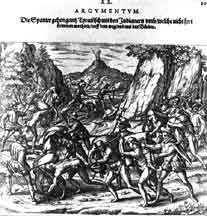
When the Spanish conquistador Hernán Cortés landed on the Mexican coast in 1519, the Aztec (Mexica) Empire was the greatest power in the Americas, its capital of Tenochtitlan—a city of perhaps two hundred thousand people built on an island in a mountain lake—rivaling the largest cities of Europe. The empire ruled millions through tribute and conquest, but that dominance had also bred deep resentment among the subject peoples, and Cortés shrewdly turned them into allies, gathering tens of thousands of Indigenous warriors, above all the Tlaxcalans, to his cause.
The conquest that followed was as much a Native civil war as a Spanish triumph. After seizing the emperor Moctezuma and then being driven from the city, Cortés returned in 1521 to besiege Tenochtitlan with his Indigenous allies. The defenders fought street by street, but they were already being ravaged by smallpox—an Old World disease against which they had no immunity—that killed a vast share of the population. Tenochtitlan fell in August 1521, and on its ruins the Spanish built Mexico City. The disease that helped topple the Aztecs would go on to devastate Native peoples across the hemisphere.