The Second Seminole War
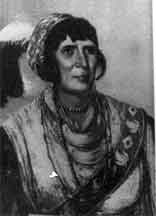
The Second Seminole War was the fiercest and most expensive of the conflicts produced by Indian Removal. When the United States tried to force the Seminole out of Florida and west to Indian Territory—an effort complicated by the many escaped African American slaves who had found refuge among them—the Seminole refused to go. Under leaders such as Osceola, they took to the swamps and hammocks of the Florida interior and waged a relentless guerrilla campaign against the far larger and better-armed American forces.
For seven years the war ground on, frustrating a succession of American commanders and costing the United States thousands of lives and tens of millions of dollars. Unable to defeat the Seminole in open battle, the army resorted to seizing leaders under flags of truce—Osceola was captured by such treachery in 1837 and died in prison—and to destroying crops and villages to starve the resistance. By 1842 most surviving Seminole had been killed or shipped west, but several hundred never surrendered, remaining in the Everglades. Their descendants proudly note that the Seminole were never formally conquered.