DUI Laws and Penalties Explained
How drunk-driving offenses are defined and punished across the states — from per se BAC limits to felony escalation and the collateral costs that outlast the sentence.
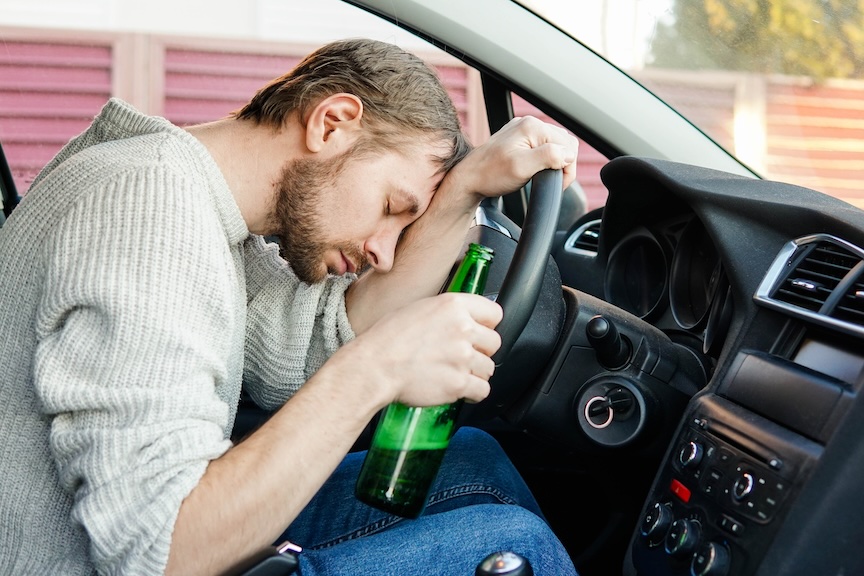
A third of all traffic-related deaths in the United States involve at least one driver or operator with alcohol impairment, according to the National Safety Council. And in an FBI report, law enforcement arrested nearly 805,000 Americans for DUI in 2024 alone. This proves the danger of driving while intoxicated by alcohol or drugs.
Every state has laws that prohibit operating a vehicle while impaired by alcohol or drugs. The difference lies in the various factors and penalties that determine the severity of the offense. For example, you may need to understand Illinois DUI laws and penalties if you or a loved one has been charged with a DUI in the state.
Let’s take a closer look at how DUI laws work.
The Per Se Limit and the Impairment Standard
Every state has a BAC of 0.08 percent as the per se legal limit for people 21 and over driving non-commercial vehicles. It means that BAC on its own is enough to establish impairment as a matter of law, so there’s no extra need to prove actual impairment.
Most states also keep a separate DUI offense based on impairment, and it can be used even if the BAC is under that per se threshold. With that theory, the prosecution says the specific driver’s ability to run the vehicle was dulled by alcohol or drugs to an extent that makes them less safe than a driver who is not impaired.
For example, a driver at 0.06 BAC who was weaving, couldn’t complete field sobriety tests, and had other signs of intoxication can still face charges under the impairment approach.
Commercial drivers have a lower per se limit of 0.04 percent under federal rules. Drivers who are under 21 fall under zero tolerance laws in most states, and the per se limits can run from 0.00 to 0.02 percent depending on where they live.
Implied Consent and Chemical Testing
Every state has enacted implied consent statutes, so if somebody is driving on public roads, they are treated as though they have agreed to chemical testing like breath, blood, or urine when an officer has lawful grounds to request it.
DUI lawyer R. Wayne Richter says that if a police officer cannot articulate a reasonable suspicion for stopping someone for driving under the influence in the first place or if the evidence in your case was obtained unlawfully, then you may be able to prevail on a motion to suppress evidence, effectively beating your DUI case.
When a driver refuses a chemical test, the implied consent law kicks in, and then automatic administrative penalties come next. Offenders may face a license suspension between six months and one year for a first refusal, and later refusals often lead to even longer periods.
In many jurisdictions, prosecutors may use the refusal in the criminal case as evidence of consciousness of guilt or something similar. Some states allow warrantless blood draws in certain situations, but the constitutional limits on warrantless testing have been carved out through Supreme Court rulings and are still being argued in later cases.
Breathalyzers pick up alcohol in deep lung air, and they lean on a conversion factor to estimate blood alcohol concentration.
Blood testing is more direct, but it still depends on good specimen collection, careful storage, plus lab analysis steps, and if any of those procedures weren’t followed, results can be challenged there too.
DUI Penalties: First Offense and Escalating Consequences
First-time DUI penalties vary by state, but they are usually fines, a suspended driver’s license, alcohol education or treatment, probation, and then, depending on where you are, a brief stint in jail or some community service, maybe.
Many states also let or even require an ignition interlock device during the suspension stretch, where driving is only allowed in a restricted way. There is an interlock that forces drivers to use a breath-sensing unit before their car can start. They will have to do this again at random intervals while the vehicle is moving.
A second DUI offense constitutes mandatory minimum jail time, longer license suspension, and larger fines. For a third offense, most states treat it as a felony. This is the case where the offender will face prison service, a long-term criminal record, and even loss of certain civil rights like the ability to own or possess firearms.
If there’s a passenger under 14 or 16 inside the vehicle, that can add child endangerment-type charges too. And if someone gets hurt or dies while the person is driving under the influence, then the case can escalate into vehicular assault or vehicular homicide, which are both serious felony charges with multi-year prison sentences in most jurisdictions.
Administrative License Suspension: The Parallel Proceeding
A DUI arrest usually triggers two separate proceedings: a criminal court case and an administrative license suspension handled by the state's motor vehicle agency. These processes operate independently, so you may be acquitted in criminal court but still lose your license or have your license suspension overturned while the criminal case continues.
In most places the administrative suspension happens automatically after the arrest, though it’s not always untouchable. The driver can usually fight it, but most states require that the driver ask for a hearing pretty fast, often ten to fifteen days from the arrest; if not, then the suspension can just become final by default.
At that hearing, the questions get narrowed down to the essential things: whether the officer had lawful reasons for the stop, whether the required testing steps were handled correctly, and if the BAC number actually lands on the legal cut-off that's in statute.
Collateral Consequences Beyond the Criminal Sentence
For DUI cases, insurance is also affected. Once the insurer sees the DUI they treat the driver as high-risk and then demand SR-22 certification. After that, premiums will double or even triple for three to seven years.
If you hold a commercial driver’s license, federal rules can impose disqualification time when it comes to your employment. Those who work in regulated areas like law, medicine, nursing, teaching, or finance may trigger a license review process after a DUI arrest.
The consequences for non-citizens are more severe. A DUI conviction may be treated as a crime involving moral conduct. And depending on the circumstances, it can be handled like a controlled substance offense that leads to deportation proceedings, blocks naturalization, and also creates barriers to re-entry.
The tricky part is that DUI immigration effects are not always obvious just by reading the criminal statute, so the situation requires analysis that goes well beyond the normal criminal defense.