How Historical Institutions Can Use Instagram to Preserve Stories and Engage New Audiences
Railway archives, aviation collections, naval museums and historical societies hold photographs, letters and records that deserve a wider audience — here is how to share them responsibly on Instagram
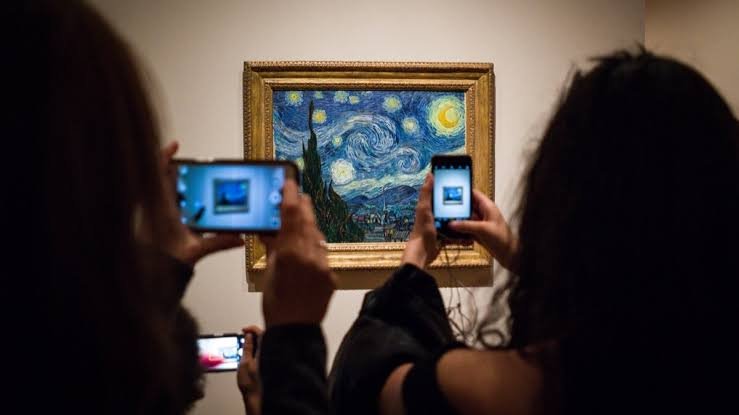
Historical places and groups can help people talk about the past in everyday life. Railway archives, aviation collections, naval museums, and historical societies have many things like old photos, technical records, personal letters, and real stories from the past. These should get more people to see them. Saving these items is just one step. It is also important to share them with young people on digital platforms by using simple ways that they will find interesting.
Instagram can help close this gap by turning old information into interesting picture stories. From showing how trains changed over time to sharing stories about sea trips, the platform lets places share what they know from the past with people today. It can do this without losing what is good about learning.
Turning Historical Records into Engaging Instagram Content
Historical collections can give a steady source of good social media content. Instead of just posting photos without any story, groups can make stories around the people, inventions, and events in their archives.
For example, a railway museum can show a photo of an old steam train. It can tell people about how this train works and what it was like to use it. A place with airplanes might share how planes have changed over time by showing old photos. A group with ships can talk about what sailors did every day during a certain time.
Institutions that want tips to get more likes on Instagram need to make each post clear and nice to look at. The posts should match what their audience wants. Engagement matters most when people learn new things about history. It helps them feel interested and want to know more about what is being shared.
Effective approaches include:
- Archival photographs: Share old images with correct dates, places, and short captions that help explain them.
- Then-and-now comparisons: Show how railway stations, planes, ships, or factories have changed as time has gone by.
- Short historical timelines: List important changes in a way that people can quickly read and understand.
- Objects with stories: Talk about what makes things like uniforms, tools, tickets, maps, and other saved items special in history.
- Personal accounts: Use written letters, diaries, and spoken stories to tell people about the lives behind the history.
Making Maritime, Railway, and Aviation History Accessible
Specialised history topics can feel far from what we deal with today. Using pictures and stories helps places show why these topics are still important.
A post about ship history could look at how tools for navigation helped sailors find out where they were at sea. Content about trains could talk about how better train engines changed how people traded and traveled. Posts about planes might look at the choices made in building that helped shape flying early on.
The key is to link each item with bigger events or changes in history. Every post should answer one simple question. What can this object, photo, or event tell us about the past?
Captions give important details that help people understand. Carousel posts let institutions talk more about a topic using several slides. Reels can show how old machines work, highlight museum displays, or share finds from the archives with short spoken text.
Being correct should always be at the heart of these types of writing. You need to check past dates, quotes, technical details, and statements about big things that happened with trusted sources before you put them out for people to read.
Building Trust Through Responsible Social Media Practices
Having more people see your work is good, but groups that share history also need to keep trust in their collections safe. When you share on social media, make sure you show what is true and what is someone’s view. If there are things that are not sure because the evidence is not all there, say so.
Institutions can make their publishing better if they follow a few simple rules:
- Check captions with catalogues, official records, and trusted historical sources.
- Give credit to photographers, archives, museums, and other rights holders the right way.
- Add clear text for images to help everyone use them.
- Use hashtags that fit the post, and do not fill captions with hashtags that do not make sense.
- Look at comments and questions to find topics that need more research or answers.
These ways help keep educational standards. They make content easier to read and understand. They also push people to use social media as a first step to finding out more about history. But, it should not take the place of trusted research.
Understanding Engagement and What Happens After a Post Goes Live
Likes and comments are helpful, but they do not show everything. A historical group should look at whether its content makes people go to their page, click on the website, sign up for events, ask questions about the archives, or visit the museum.
Knowing how Instagram likes influence audience perception and what happens after engagement increases can help people look at their social media plans in a better way. A post that gets a lot of likes can bring in new people, but what really matters is what these people do next and if the post fits what they want.
A simple evaluation framework can help:
| Metric | What It Can Reveal |
|---|---|
| Likes and comments | Initial audience interest |
| Shares and saves | Content people find useful or worth revisiting |
| Profile visits | Interest in learning more about the institution |
| Website clicks | Movement towards digital collections or visitor information |
| Event enquiries | Potential interest in exhibitions and educational activities |
Instead of using just one score to measure how well things go, places like schools should look at results for different types of content and different subjects. This helps them see what history stories people connect with the most. It also shows what topics may need to be shown in a new way.
Conclusion
Instagram gives historical institutions an easy way to show more of naval, railway, and aviation heritage to people today. When they use good photos, simple explanations, and share facts in the right way, these groups can help people talk about old things in a new way. The goal is not just to get people to look, but to make people feel curious, learn new things, and feel more respect for the past.