Alternatives to The Book by Hungry Minds for Fans of Illustrated Books
Six beautifully illustrated books — from hand-drawn histories of invention to surreal imaginary encyclopedias — for readers who loved The Book: The Ultimate Guide to Rebuilding Civilization
The best alternatives to The Book by Hungry Minds include Rebel Thinkers’ Codex series, The 4 Book, and The Way Things Work Now. These books combine interesting subjects with detailed illustrations, original design, and high-quality hardcover editions. They appeal to readers who want more than a traditional encyclopedia and enjoy collecting books that are beautiful to look at.
The Book: The Ultimate Guide to Rebuilding Civilization has become popular for its unusual approach to history, science, and inventions. Its hand-drawn illustrations, large pages, and premium design make it enjoyable to explore even when you are not planning to read an entire chapter. Several other publishers offer a similar experience, although each book has its own subject, artistic style, and approach to presenting information.
Find your next illustrated book in 30 seconds
Not every illustrated book offers the same experience. Some are made for learning, while others focus on artistic detail or unusual concepts. This quick guide can help you find a book that matches your interests.
| What would you like to explore? | Best book to consider | What makes it interesting |
|---|---|---|
| How inventions changed human history | Rebel Thinkers — The Codex series | Hand-drawn history, two matching collector’s volumes |
| How people might survive major disasters | The 4 Book | Illustrated survival scenarios and practical knowledge |
| How machines and technology work | The Way Things Work Now | Detailed mechanical drawings and diagrams |
| Interesting facts from many subjects | Knowledge: A Visual Compendium | Colorful graphics and easy-to-browse information |
| Historical drawings of plants and animals | The Art and Science of Ernst Haeckel | Scientific artwork in a premium hardcover |
| An imaginary world full of unusual inventions | Codex Seraphinianus | Surreal illustrations and creative encyclopedia design |
1. Rebel Thinkers: The Codex series
Rebel Thinkers is one of the closest alternatives for readers who appreciate the combination of historical knowledge, detailed artwork, and collectible design. The publisher offers two illustrated encyclopedias that explore different aspects of human history. The Codex: Inventions of the Human Mind focuses on inventions and discoveries that changed civilization, while The Codex of Military History: Weapons, Warriors, Strategy examines the development of military technology, weapons, tactics, and historical conflicts.
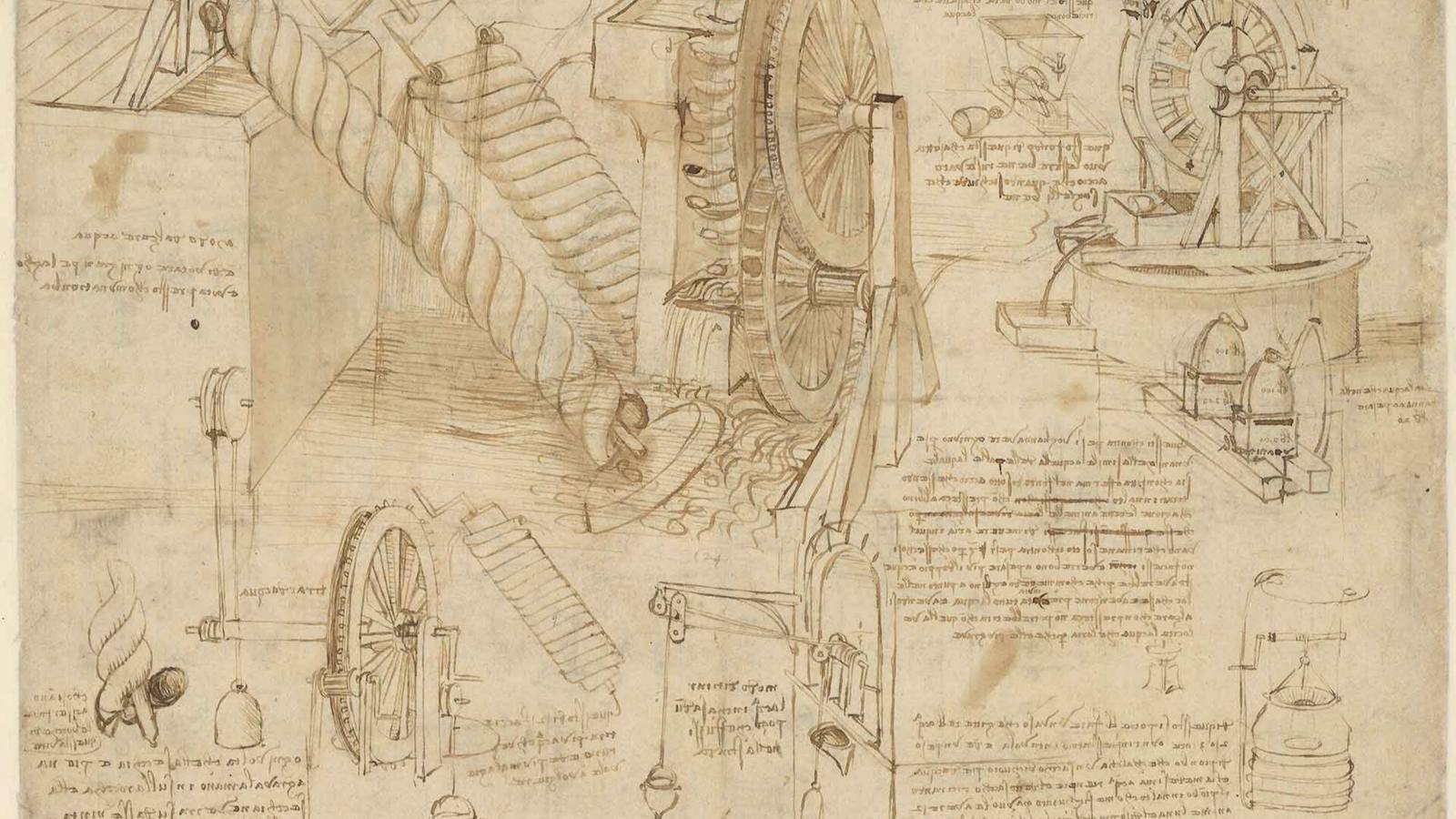
Both volumes feature hundreds of hand-drawn illustrations created by Ukrainian artists in a style inspired by Leonardo da Vinci’s notebooks. The artwork is an important part of how the information is presented, helping readers examine historical objects, understand inventions, and explore subjects that would be difficult to explain through text alone. The books also feature oversized hardcover formats, decorative covers, thick paper, and protective collector’s slipcases.
What makes Rebel Thinkers especially appealing is that the two volumes share the same artistic style and physical design. Instead of buying a single illustrated encyclopedia, readers can build a matching collection covering different areas of history. For fans of The Book who care about both the content and the quality of the physical edition, the Codex series offers a particularly interesting alternative.
2. The 4 Book: an illustrated survival guide
The 4: Illustrated Survival Guide to 4 Apocalypses is another alternative that shares many qualities with The Book, especially its unusual concept and illustration-heavy presentation. It explores four disaster scenarios: a pandemic, a zombie apocalypse, nuclear winter, and global warming. Each section combines survival information with practical ideas about finding resources, building shelters, and dealing with difficult conditions.
The book contains more than 400 pages filled with detailed illustrations and explanations. Its visual approach makes technical subjects easier to understand and gives readers plenty to explore beyond the main text. The substantial hardcover format, distinctive black-and-red cover, and available gift-box edition also make it attractive to collectors.
While The Book explores the knowledge needed to build a civilization, The 4 Book focuses on surviving when familiar systems stop working. This makes it an interesting choice for readers who enjoy survival topics, unusual scenarios, and illustrated guides with a practical side.
3. The Way Things Work Now: understanding machines through illustrations
The Way Things Work Now by David Macaulay is a well-known illustrated encyclopedia about engineering, inventions, and everyday technology. It explains how different machines work, from simple mechanical devices to engines, electrical systems, and computers. Instead of relying mainly on technical descriptions, the book uses detailed drawings that show how individual components fit together.
Macaulay’s illustrations are the main reason this book remains so popular. Many pages feature cutaway drawings, diagrams, and visual examples that allow readers to understand complicated mechanisms without an engineering background. The large hardcover edition contains around 400 pages and offers plenty of material to explore at your own pace.
The book has a more educational design than The Book by Hungry Minds, with less attention given to decorative covers or collector packaging. However, its illustrations are just as important as the written content. It is particularly suitable for readers who enjoy studying machines and understanding how familiar inventions actually work.
4. Knowledge: A Visual Compendium by DK
Knowledge: A Visual Compendium by DK offers a broad collection of information presented through illustrations, diagrams, and short explanations. Its subjects include science, nature, history, technology, art, and other areas of human knowledge. The book is designed for readers who enjoy exploring different topics without having to follow one continuous story.
The 320-page hardcover uses colorful graphics and organized page layouts to make information accessible. Illustrations are combined with lists, charts, and interesting facts, so readers can easily find something new each time they open the book. Its visual design is modern and bright, making it especially appealing to people who prefer clear graphics over traditional historical drawings.
Although it does not have the same luxury collector presentation as The Book, it offers a similar way of exploring information through pictures. Its wide range of subjects also makes it a useful addition to a home library, particularly for families and readers who enjoy illustrated reference books.
5. The Art and Science of Ernst Haeckel: collectible scientific illustrations
The Art and Science of Ernst Haeckel, published by TASCHEN, is a large illustrated collection featuring the work of German biologist and artist Ernst Haeckel. The book brings together more than 450 prints from his scientific publications, showing marine organisms, plants, animals, and other natural subjects. His drawings are known for their detailed shapes, careful arrangements, and distinctive use of color.
The illustrations take up much of the book, allowing readers to appreciate the artwork without needing to study the scientific information behind every image. The edition contains 688 pages and comes in a large hardcover format with a protective slipcase. Its printing quality and presentation make it particularly appealing to people who collect illustrated art and science books.
Unlike The Book, this edition does not explain inventions or the development of civilization. Its appeal comes from historical scientific artwork and the beauty of the illustrations themselves. For collectors who enjoy detailed drawings and premium coffee table books, it offers a different but equally interesting visual experience.
6. Codex Seraphinianus: an unusual illustrated encyclopedia
Codex Seraphinianus by Italian artist Luigi Serafini is one of the most unusual illustrated encyclopedias available. First published in 1981, it describes an imaginary world filled with strange plants, animals, machines, buildings, and other objects. The illustrations are accompanied by text written in an invented language, so readers experience the book mainly through its artwork rather than conventional explanations.
The drawings are highly detailed, and many pages resemble illustrations from historical scientific encyclopedias. However, the subjects are entirely fictional, which gives the book a very different character from educational titles. The 40th anniversary hardcover edition published by Rizzoli contains 416 pages, while special collector’s editions have also been produced.
Codex Seraphinianus is not intended to teach readers about real inventions or scientific discoveries. It is better understood as a work of art presented in the form of an encyclopedia. Its unusual concept, large illustrations, and collectible editions make it an interesting option for people who appreciate creative book design and original artwork.
Which alternative to The Book by Hungry Minds should you choose?
The best choice depends on what you enjoy most about The Book. Some readers are interested mainly in inventions and historical discoveries, while others appreciate the illustrations, physical design, and experience of exploring a beautifully made book.
Rebel Thinkers’ Codex series is a particularly strong option for readers who want all these qualities together. Its two matching volumes combine historical subjects with detailed hand-drawn illustrations and premium collector’s editions, offering an opportunity to build a small collection in the same artistic style. The 4 Book is another close match for readers who enjoy unusual concepts and illustrated practical knowledge, while The Way Things Work Now offers a more technical approach.
The other titles appeal to different interests, from broad educational content to scientific art and imaginary worlds. Whichever you choose, a well-made illustrated book offers something that ordinary reference material often cannot: the pleasure of exploring original artwork while discovering new information, with a physical edition worth keeping in your collection.