Careers for History Lovers: Remote Archive, Records and Digitization Jobs
Beyond the museum and the classroom — where records management, OCR cleanup, metadata, title research and genealogy put a love of primary sources to paid work
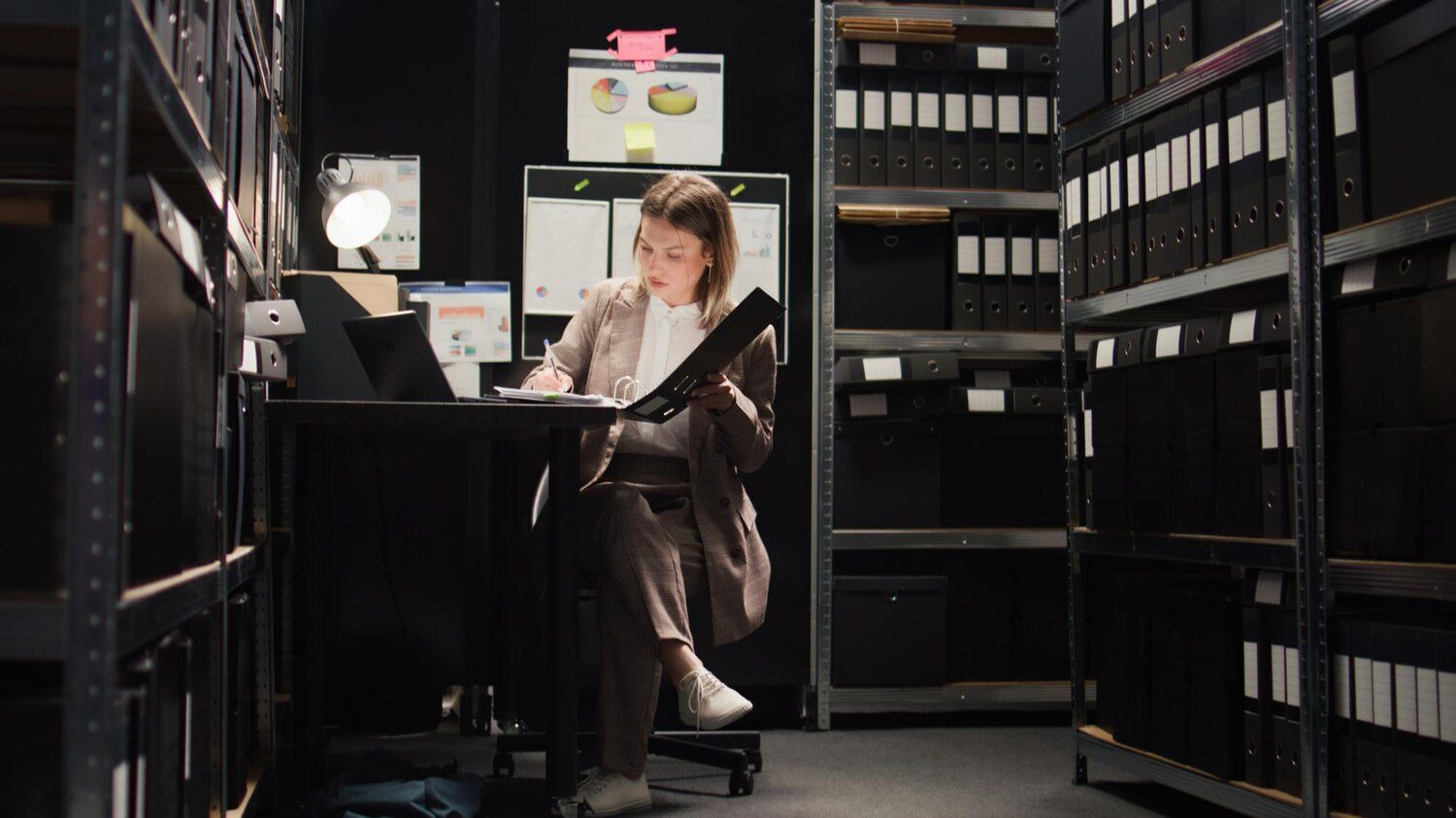
History majors and weekend archive buffs usually get handed the same bleak script at graduation. Either spend six years in graduate school fighting over three museum curator openings or teach high school social studies until retirement.
Meanwhile, universities, law firms, county governments, and private corporations are sitting on mountains of unindexed documents, decaying microfiche, and chaotic digital drives. Someone has to sort out what exists, verify when it was created, and tag it so people can actually find it ten years from now. You do not need a velvet rope or a stone museum facade to get paid for caring about primary sources.
Where historical habits meet modern records work
A lot of remote records careers start closer to ordinary office filing than people expect. Managing retention schedules, indexing physical folders, and tracking provenance inside a regional office builds the exact muscle memory digital teams look for later. Someone scanning administrative assistant jobs in Omaha might see routine paperwork at first glance, yet organizing vendor archives and compliance binders on site is often the cleanest stepping stone into distributed document control.
On the digital side, growing companies and documentation-heavy startups need staff who treat internal records with respect rather than dumping PDFs into random shared drives. Checking Urrly careers alongside broader remote tech boards shows how modern distributed organizations rely on detail-oriented coordinators to keep operational files clean and searchable.
Then there is litigation and corporate history, which pays noticeably better than most cultural institutions. Law firms sorting through decades of contracts, property transfers, and regulatory filings regularly post remote legal assistant jobs where building chronological timelines and indexing discovery exhibits is literally the whole workday.
What digitization teams actually do all day
Remote digitization work sounds romantic if you imagine yourself gently turning medieval parchment pages. In practice, physical scanning usually happens on site at a library, warehouse, or vendor facility where giant overhead cameras sit. The remote half of the pipeline starts right after the scanner finishes.
Off-site specialists handle quality assurance, optical character recognition cleanup, and cataloguing. Old newspapers, nineteenth-century census ledgers, and faded municipal minutes produce garbled text when automated OCR software tries to read them. Human editors compare the scanned image against the raw transcript, fix mangled names and dates, and flag missing pages.
It is quiet, repetitive work that rewards stubborn concentration. If you can spend four hours spotting whether a smudged 1894 ledger entry reads “H. Miller” or “A. Miller” without losing your mind, project managers will treat you like gold.
The metadata and software gap nobody mentions
Loving history is rarely enough on its own to clear an automated HR screen. Museums and corporate records teams speak a very specific technical language, and most self-taught history buffs have never heard of it.
Spend a weekend learning basic metadata standards such as Dublin Core, MARC21, or EAD before sending out applications. You do not need a master’s degree in library science to understand why consistent date formatting, controlled vocabularies, and authority files keep a digital collection from turning into digital soup. Knowing how to clean messy spreadsheets with regular expressions or basic SQL queries puts you ahead of ninety percent of humanities applicants immediately.
Records governance brings another practical requirement: privacy and retention rules. Corporate and healthcare archives cannot simply publish everything online like a public photo album. Understanding redaction workflows, HIPAA boundaries, or FOIA timelines tells an employer you understand what should stay locked in a vault versus what belongs in a public portal.
Why genealogy, title research, and compliance pay better than museums
Public history nonprofits run on tight grants, which explains why museum assistant pay often hovers near retail wages. Private-sector records work has real budgets behind it because lost documents cost companies lawsuits and land deals.
Consider title abstracting and mineral-rights research. Energy firms, real estate underwriters, and rail companies hire remote researchers to trace property ownership backward through county courthouse scans, plat maps, and probate records. It is pure historical detective work, except the client is a title insurer with a closing deadline on Friday.
Genealogy companies, oral history transcription houses, and corporate heritage consultants hire remotely for similar reasons. They need people who know how to verify secondary claims against primary records without inventing connections that are not on the page.
Building proof of care before you apply
Do not send a generic resume that only lists your favorite historical era or a college thesis title. Hiring managers in records and digitization want to see tidy, verifiable output.
Volunteer for a few weeks with a local historical society, a state digital newspaper project, or a crowdsourced transcription platform like the Library of Congress By the People initiative. Document exact numbers on your resume: how many pages you transcribed, what metadata schema you followed, or how you resolved conflicting place names. Show up with a small portfolio of clean, indexed work, and nobody will care that you never set foot inside an Ivy League archive.