From Manga to Manhwa: How Asian Comics Became a Global Reading Culture
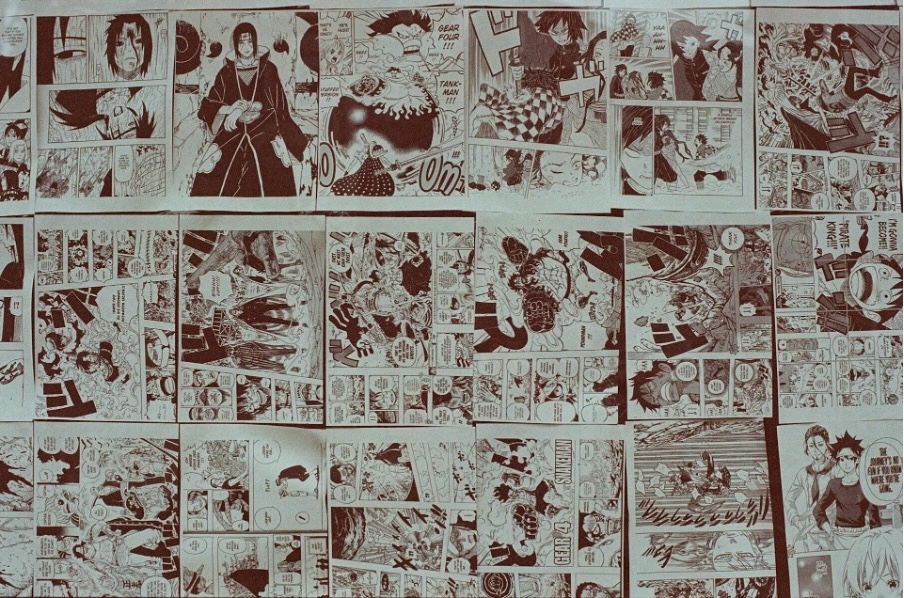
Long before phones changed how we read, Asian comics began capturing global readers. Today's webtoons may seem new, but their rise is part of the story that took illustrated storytelling from local scenes to international culture.
Manga was the first form many readers outside East Asia recognized by name, mainly because print exports and anime made it easier to encounter. Korean webtoons sparked the next stage, since the story no longer had to rest on a printed page before it could journey abroad.
Where Did Asian Comics Begin Before They Went Global?
Asian comics began long before the word “global” belonged anywhere near them. Early readers met visual stories through local print culture first, where drawings helped carry humor, politics, folklore, and everyday life into forms that ordinary people could recognize.
In Japan, that history is often traced through illustrated books and woodblock print culture before modern manga took shape. TheBritish Museum notes that Hokusai’s Manga appeared from 1814 onward, although those sketchbooks were closer to drawing manuals than today’s serialized comics.
China followed a different route through pictorial magazines and political cartooning, where manhua became tied to city life and public debate. Korea’s manhwa also grew through local publishing before digital platforms later gave Korean comics a new global identity.
How Did Manga Become the First Global Breakthrough?
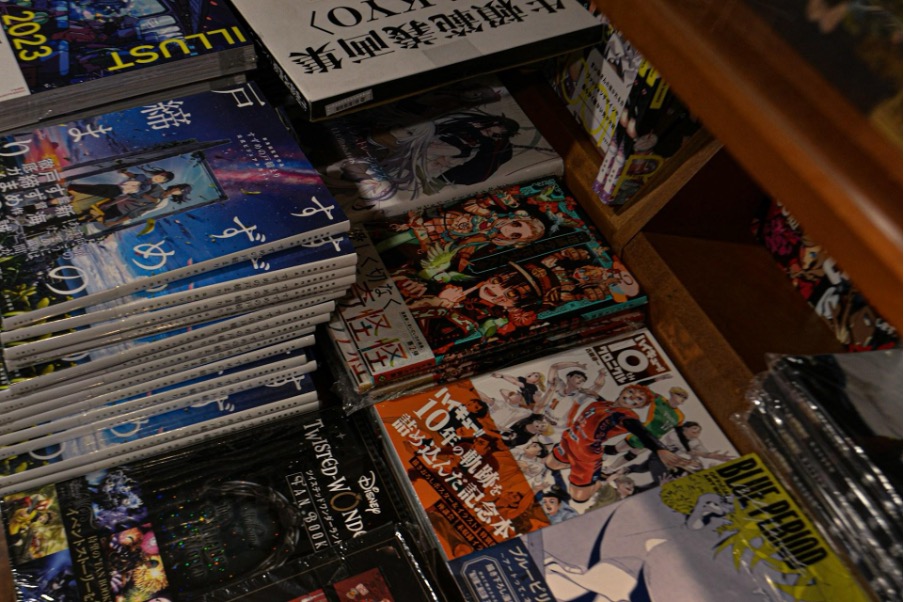
Manga became the first Asian comics form many overseas readers recognized by name. That happened partly because Japan had a strong postwar publishing system, but also because animation made the stories easier to encounter before translated books were easy to find.
Magazine culture gave manga room to grow after the war. Stories could return week after week, which meant a character did not need to finish their journey in one short strip. Tezuka’s work belongs to that shift because it showed how comics could hold longer drama without losing the speed of popular entertainment.
Anime then gave manga a route beyond Japanese bookstores. A viewer could meet a character on television first, then look for the printed story behind it. That link between screen and page helped manga travel further than earlier translated comics could manage alone.
Readers outside Japan were not only buying single comic issues; they were following volumes with continuing plots, recognizable styles, and release habits that already felt established before the books reached them.
How Did Manga, Manhua, and Manhwa Build Different Traditions?
Each tradition grew around the place where readers actually met the comics. Manga developed through Japan’s magazine and paperback market, Chinese manhua took shape in pictorial magazines and political cartoons, and Korean manhwa moved from local publishing into rental shops before webtoons changed its reach.
Chinese manhua grew closely around urban print culture. In early 20th-century Shanghai, cartoons became part of magazines that covered daily life, fashion, public debate, and political pressure. John A. Crespi’sManhua Modernity shows how manhua magazines from the 1920s onward turned drawing into a record of modern Chinese city life.
Korean manhwa grew through local publishing first, then moved through rental shops before web portals gave Korean comics a different future online. This did not make older manhwa disappear; it gave Korean artists another format that could travel more easily.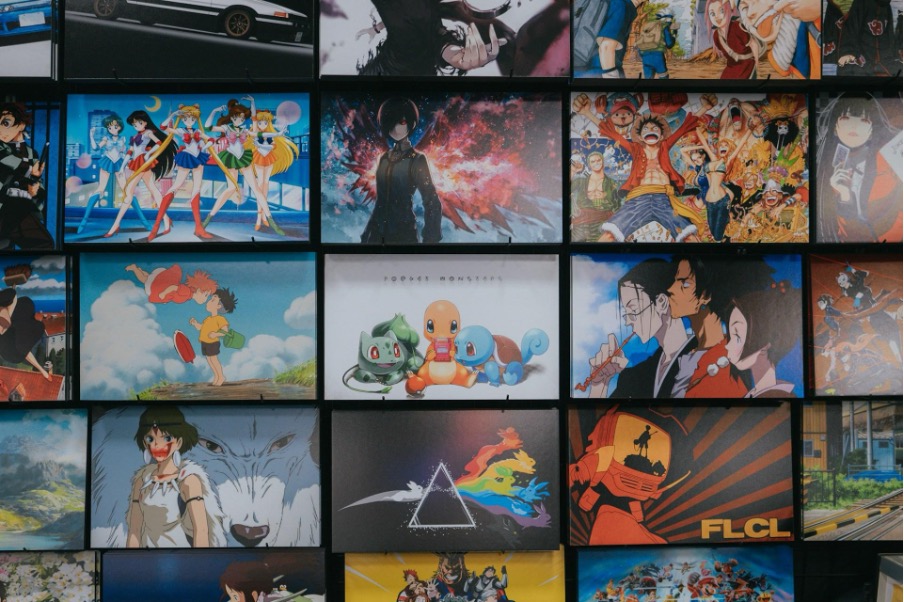
Why Did Webtoons Change Global Comic Reading?
Webtoons changed comic reading because they were shaped around the phone screen from the start. Instead of shrinking a printed page into a small display, the format let artists build scenes downward, so the reader moved through the story by scrolling.
A pause could be created by leaving more space before the next panel, while a reveal could sit lower on the screen and arrive only after the reader moved toward it. The format made timing part of the layout.
Korean platforms helped turn that reading style into a regular habit. Episodes could arrive on a schedule, readers could follow series inside one account, and translations made the same format easier to understand outside Korea.
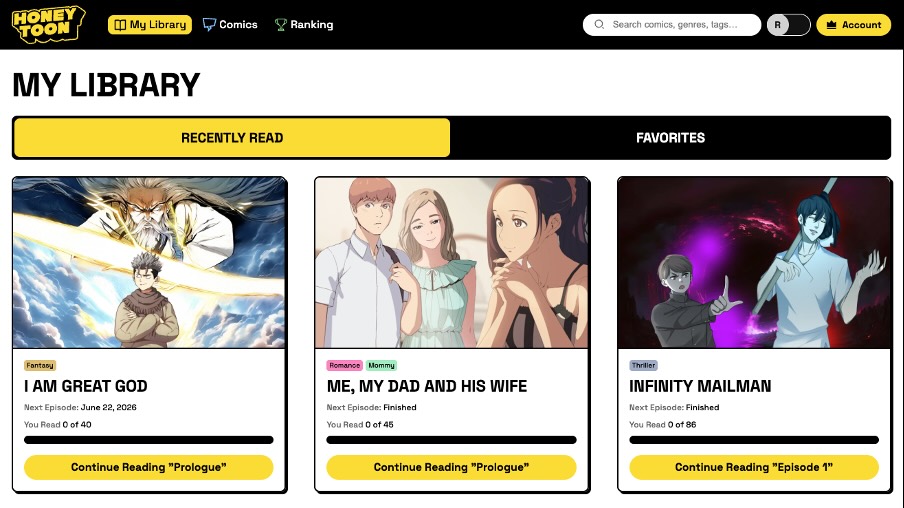
This shift also changed legal access for Western readers, since licensed services now combine mobile reading, saved libraries, and localized catalogs.HoneyToon comics for every taste is one modern example of a web and mobile reader built around a localized general catalog.
How Did Adaptations Push Asian Comics Into Mainstream Culture?
One Piece had already spent decades as manga before Netflix adapted it as live action, so the adaptation did not introduce the story from nothing. It changed the audience around it. People who avoided long manga series could still understand the world through actors, sets, costumes, and a shorter season structure.
That same pattern is useful for understanding webtoons. True Beauty did not need a bookstore chain or imported volumes to send viewers back to the source. Its drama adaptation worked because the original comic already existed online, where a viewer could search the title and start reading without changing formats too much.
Solo Leveling started as a Korean web novel before becoming the webtoon version that most international readers recognize, and the later anime gave the story another audience without cutting it off from the comic.
A screen version no longer has to replace the source in public attention. With webtoons especially, the original can stay easy to reach while the adaptation brings new readers toward it.
What Does the Global Future of Asian Comics Look Like in 2026?
Asian comics no longer depend on one format once they leave their home market. A story can start in print or online, then keep gaining readers as translation rights, platform deals, and screen versions carry it into new spaces.
Asia Business Daily reported that dramas made up 38.3% of secondary works based on webtoon IP, while animation accounted for 10.7%. The useful point is not the percentage alone. It shows that many webtoons now enter the market with adaptation potential already attached to them.
Manga built the earlier model through translated volumes and long-term readership outside Japan. Webtoons changed the next stage because a comic could reach international readers without passing through print first.
That leaves Asian comics in a different position than they held 30 years ago. They are no longer treated only as imported books or niche fan material. A story can stay available as a comic while its screen version brings in people who would not have searched for it otherwise.
FAQ
Why do people mix up manga, manhwa, and manhua?
The names look similar because they come from related East Asian terms, so many readers assume they mean the same thing. Publishing history separates them. Manga belongs to Japan’s comic industry. Manhwa comes from Korea’s comics market. Manhua grew through Chinese-language print culture.
Why did manga reach Western readers before Korean webtoons did?
Manga reached Western readers earlier because Japan already had a mature postwar comic market before webtoons existed. Anime made the stories visible on television, then translated volumes gave viewers something to follow in print. Webtoons arrived later, after phone reading had created a different route.
Are webtoons still connected to manhwa history?
Yes, because Korean webtoons came after older manhwa publishing rather than replacing its history completely. The connection sits in the creators, audience, and local comics culture. The reading experience changed once stories moved onto phones, where scrolling shaped pacing more than page layout.
Why do adaptations help Asian comics reach new readers?
Adaptations help because they bring the story to people who would not search for the comic first. A drama or anime gives the title wider visibility, and then the original is still easy to find online. That is why webtoons benefit strongly from screen versions.
Conclusion
The history of Asian comics is not a straight line from old print to new screens. Manga reached many overseas readers through publishing and anime, while webtoons later changed the reading experience by starting from the phone screen rather than the page.
That difference is what makes the global story worth tracing. A reader who starts with a webtoon today is not outside comics history; they are seeing the latest shape of a culture built through local publishers, translations, and screen adaptations.