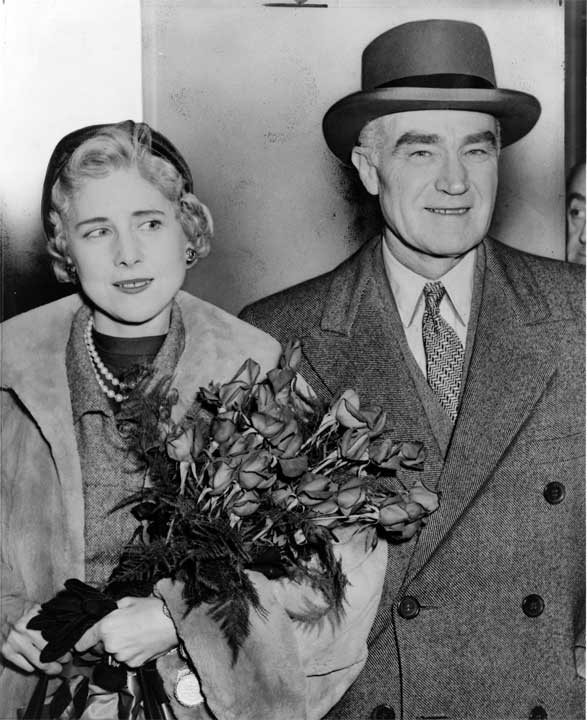
Henry Luce was the American publisher who built the most influential magazine empire of the twentieth century and did much to shape how Americans understood themselves and the wider world. Born in China to Presbyterian missionaries, he absorbed a lifelong sense of moral purpose and American mission before being sent to school in the United States and on to Yale, where he formed the friendship that would launch his career.
In 1923, with his college friend Briton Hadden, Luce founded Time, a brisk weekly that digested and interpreted the news for a busy mass audience and pioneered a punchy, opinionated style. After Hadden's early death, Luce expanded the company relentlessly, launching the lavish business magazine Fortune in 1930 and, in 1936, the great picture weekly Life, which brought the golden age of photojournalism into millions of homes. Sports Illustrated followed in 1954.
A staunch Republican, devout Protestant, and ardent internationalist, Luce used his magazines unabashedly to promote his convictions, championing free enterprise, anti-communism, and a vigorous American role in the world. In a famous 1941 essay he called on his countrymen to embrace the "American Century."
His publications were enormously profitable and culturally dominant for decades, and his support could make political careers. Married to the writer and diplomat Clare Boothe Luce, he presided over his Time Inc. empire until shortly before his death in 1967.