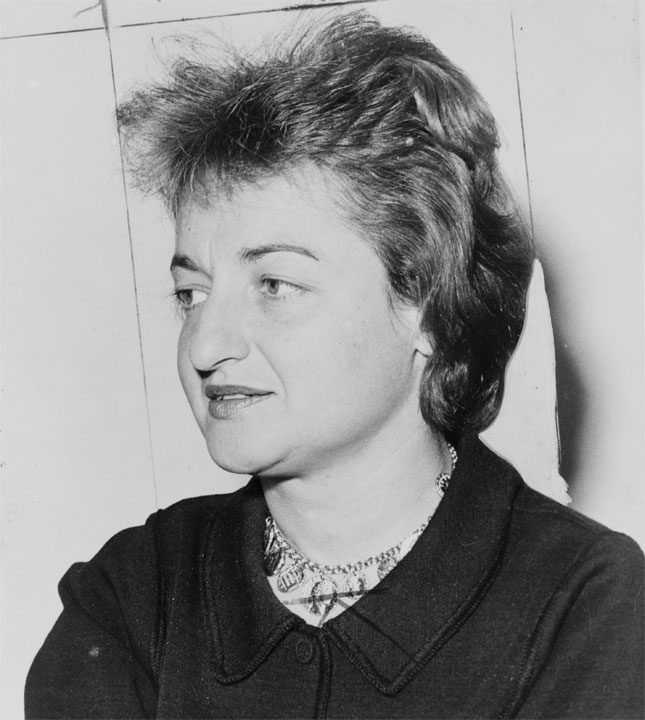
Betty Friedan was the writer and activist who helped ignite the modern women's movement in the United States, and one of the most influential feminists of the twentieth century. Born Bettye Goldstein in Peoria, Illinois, she was educated at Smith College, worked as a journalist, and settled into life as a suburban wife and mother — even as she chafed against its limits.
In 1963 she published The Feminine Mystique, a book that named what she called "the problem that has no name": the stifled frustration of educated American women confined to domestic roles and told to find fulfillment only as wives and mothers. The book became a runaway bestseller and is widely credited with sparking the so-called second wave of feminism.
Friedan turned her ideas into organized action. In 1966 she co-founded the National Organization for Women (NOW) and became its first president, campaigning for equal pay, equal employment, reproductive rights, and the Equal Rights Amendment. In 1970 she helped lead the massive Women's Strike for Equality.
A pragmatic, sometimes combative figure, she clashed with more radical feminists and insisted that the movement embrace ordinary women and families. In later works such as The Second Stage and The Fountain of Age she continued to challenge assumptions about gender and aging. She died in 2006, her legacy embedded in the transformed status of women in American life.