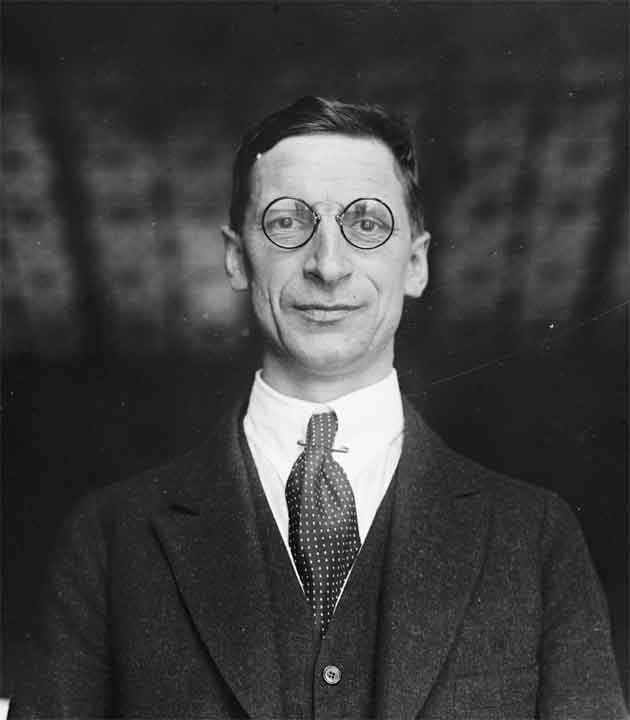
Éamon de Valera was the towering figure of twentieth-century Irish politics, a revolutionary turned statesman who dominated his country's public life for half a century and helped shape the independent Irish state. Born in New York to an Irish mother and a Spanish father, he was sent as a child to be raised in Ireland, where he became a teacher of mathematics and was drawn into the cause of Irish nationalism.
He took part in the Easter Rising of 1916, commanding a garrison, and was sentenced to death, only to be spared — partly, it was said, because of his American birth. Emerging as the leading figure of the independence movement, he became president of the revolutionary Sinn Féin and a central player in the struggle against British rule.
De Valera bitterly opposed the 1921 treaty that partitioned Ireland and created the Irish Free State while leaving the North under British rule, and his opposition helped plunge the country into a tragic civil war. After years in the political wilderness, he founded a new party, Fianna Fáil, and returned to power through the ballot box.
As head of government for much of the period from the 1930s to the 1950s, de Valera asserted Irish sovereignty, drafted a new constitution in 1937, and kept Ireland neutral during the Second World War. A austere, devout, and stubborn figure, he later served as president of Ireland into his nineties, dying in 1975 as the last of the great founders of the state.