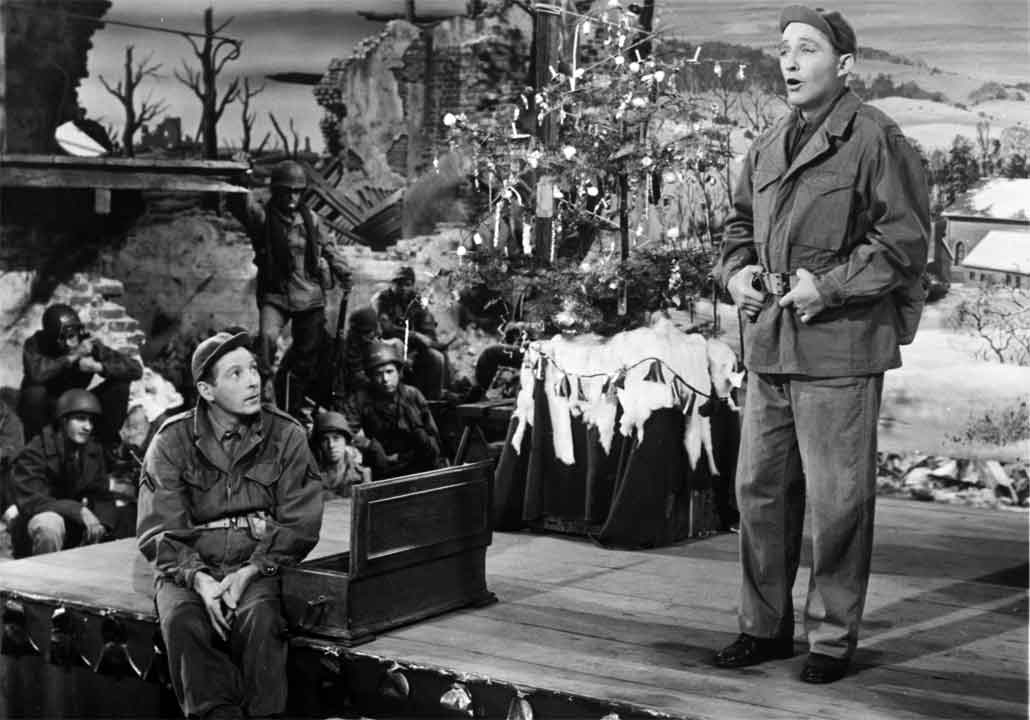
Bing Crosby was one of the most popular entertainers of the twentieth century, a singer and actor whose warm, relaxed baritone and easygoing charm made him a fixture of American life for decades and helped define modern popular singing. Born in Tacoma, Washington, and raised in Spokane, he began singing in the 1920s and rose to fame as a soloist on radio, the medium that carried his intimate, conversational style into millions of homes.
Crosby was a pioneer of the "crooning" style, using the microphone not to project over a crowd but to sing softly and naturally, as if to a single listener. This relaxed, personal approach influenced generations of singers, including Frank Sinatra, and made him the best-selling recording artist of his era. His recording of "White Christmas" became, and long remained, the best-selling single in history.
He was equally successful in films, winning the Academy Award for Best Actor for his role as a kindly priest in Going My Way (1944) and delighting audiences in the popular "Road" comedies with Bob Hope and Dorothy Lamour.
For more than thirty years Crosby reigned across records, radio, and the movies, his genial public image making him one of the most beloved figures in show business. An avid golfer to the end, he died in 1977 after a round of golf in Spain, leaving an enormous legacy in the history of American popular entertainment.