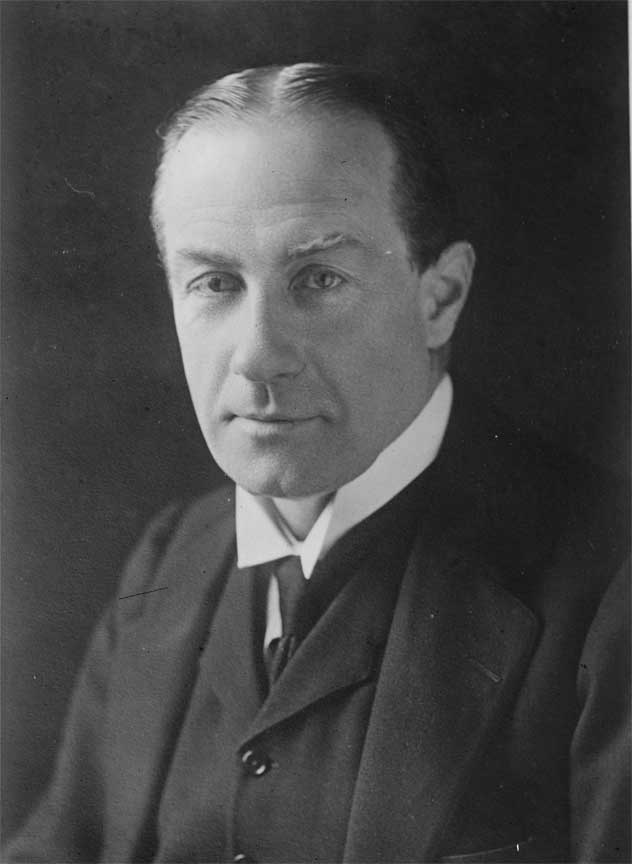
Stanley Baldwin was a dominant figure in British politics between the world wars, three times prime minister and the embodiment of a reassuring, pipe-smoking Conservatism in an age of upheaval. Born in Worcestershire into a prosperous iron-manufacturing family, he worked in the family business before entering Parliament and rising, somewhat unexpectedly, to the leadership of the Conservative Party.
Baldwin first became prime minister in 1923, and he led the country through much of the turbulent 1920s and 1930s. A skilled conciliator who projected calm and common sense, he steered Britain through the great General Strike of 1926, handling the crisis with a firmness tempered by a genuine desire for industrial peace.
His premierships saw both achievements and grave controversies. In 1936 he managed the abdication crisis with notable deftness, guiding the nation through the constitutional drama when King Edward VIII chose to give up the throne to marry the divorced Wallis Simpson — a performance that won Baldwin wide admiration.
His reputation suffered, however, over the response to the rising threat of Nazi Germany. Critics later charged that under his leadership Britain had failed to rearm quickly enough in the face of Hitler's ambitions, and his name became associated with the policy of appeasement that preceded the Second World War. He retired in 1937 and died in 1947.