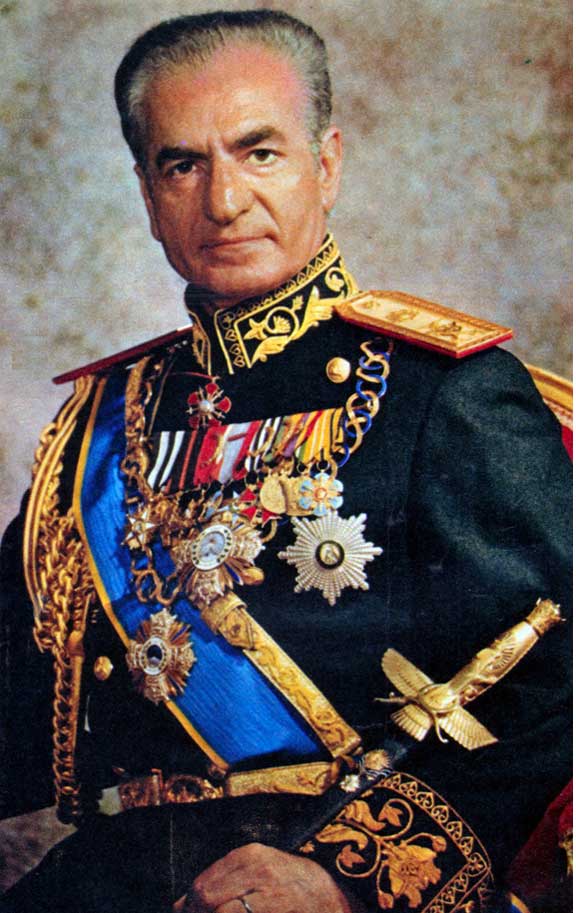
Mohammad Reza Pahlavi was the last shah of Iran, a monarch who modernized his country and amassed great power before being swept away by the Islamic Revolution of 1979. He ascended the throne in 1941 when the Allies, distrustful of his father's pro-German leanings, forced the old shah to abdicate during the Second World War in favor of the young crown prince.
In 1953, after a power struggle with the nationalist prime minister Mohammad Mossadegh, who had nationalized the country's oil, the shah briefly fled the country before being restored to his throne in a coup backed by American and British intelligence. The episode left a lasting legacy of resentment and bound his fortunes closely to the West.
Backed by oil wealth and by the United States, Pahlavi launched an ambitious program of modernization known as the "White Revolution" — land reform, women's suffrage, industrialization, and education. But his rule grew increasingly autocratic, sustained by a feared secret police, and his Westernizing reforms and lavish displays of royal grandeur alienated the clergy, the merchant class, and the devout.
By the late 1970s, opposition coalesced around the exiled cleric Ayatollah Khomeini. Mass protests and strikes paralyzed the country, and in January 1979 the gravely ill shah fled into exile. His admission to the United States for cancer treatment helped trigger the seizure of the American embassy and the hostage crisis. Wandering from country to country, he died in Egypt in 1980.