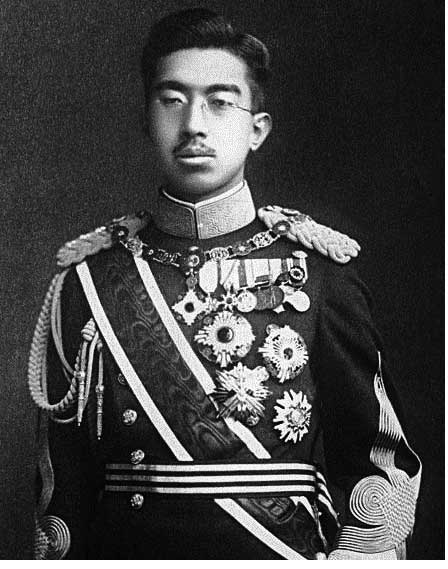
Hirohito was the emperor of Japan for sixty-three years — the longest reign in the country's recorded history — presiding over his nation's descent into militarism and catastrophic war, its surrender and occupation, and its astonishing postwar rise to prosperity. Born in Tokyo, he ascended the Chrysanthemum Throne in 1926, taking the reign name Showa, and was revered by his people as a living deity descended from the sun goddess.
During the 1930s and early 1940s, Japan's military leaders drove the country into aggressive expansion across Asia and, in 1941, into war with the United States and its allies. The precise extent of Hirohito's personal responsibility for these decisions remains debated by historians; he reigned as a constitutional figure but possessed great prestige and was kept informed of the conduct of the war.
In August 1945, after the atomic bombings of Hiroshima and Nagasaki, it was the emperor who broke the deadlock in his divided government and announced Japan's surrender in an unprecedented radio address — the first time his subjects had ever heard his voice.
Under the American occupation, Hirohito was spared prosecution and retained as a constitutional monarch, but was required to renounce his claim to divinity. He reigned on as a symbol of national continuity while Japan rebuilt itself into an economic power, taking up a quiet personal passion for marine biology. He died in 1989, the end of the Showa era.