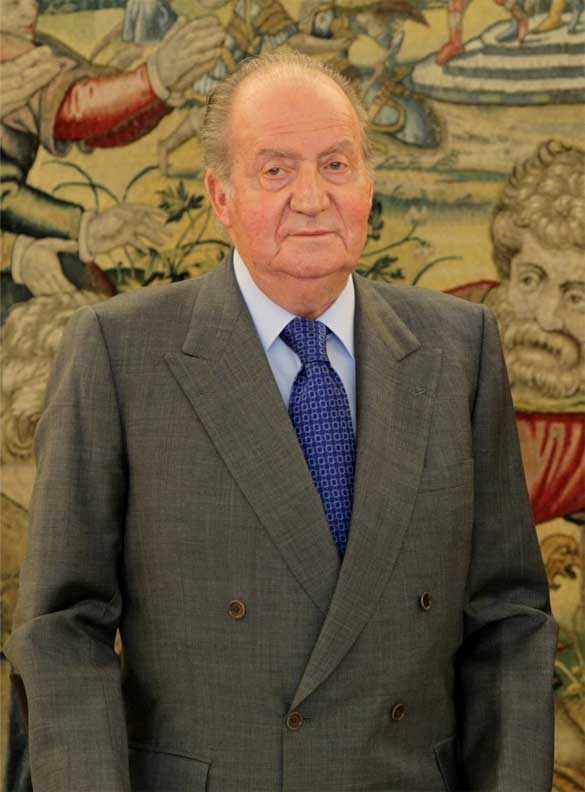
Juan Carlos I was the king of Spain who guided his country from dictatorship to democracy, earning lasting admiration for his role in the peaceful transition before his reign was clouded by scandal in his final years on the throne. Born in Rome, where his royal family lived in exile during the years of the Spanish Republic and civil war, he was groomed from boyhood under the watchful eye of the dictator Francisco Franco, who had ruled Spain since 1939.
Franco designated the young prince as his successor, intending him to preserve the authoritarian regime. When Franco died in 1975, Juan Carlos became king — and to the surprise of many, he used his position not to perpetuate the dictatorship but to dismantle it, sponsoring sweeping reforms that legalized political parties, held free elections, and established a democratic constitutional monarchy.
His finest hour came in 1981, when a group of armed officers attempted a military coup, seizing the parliament. The king went on national television in his role as commander of the armed forces to denounce the plotters and rally the country behind democracy, and the coup collapsed. The episode cemented his reputation as the guarantor of Spanish democracy.
For decades Juan Carlos was among the most popular monarchs in Europe. But his later reign was marred by controversy — a lavish elephant-hunting trip during an economic crisis, and financial scandals — that eroded his standing. In 2014 he abdicated in favor of his son, Felipe VI, and later went to live abroad.