
Pinckney, Charles
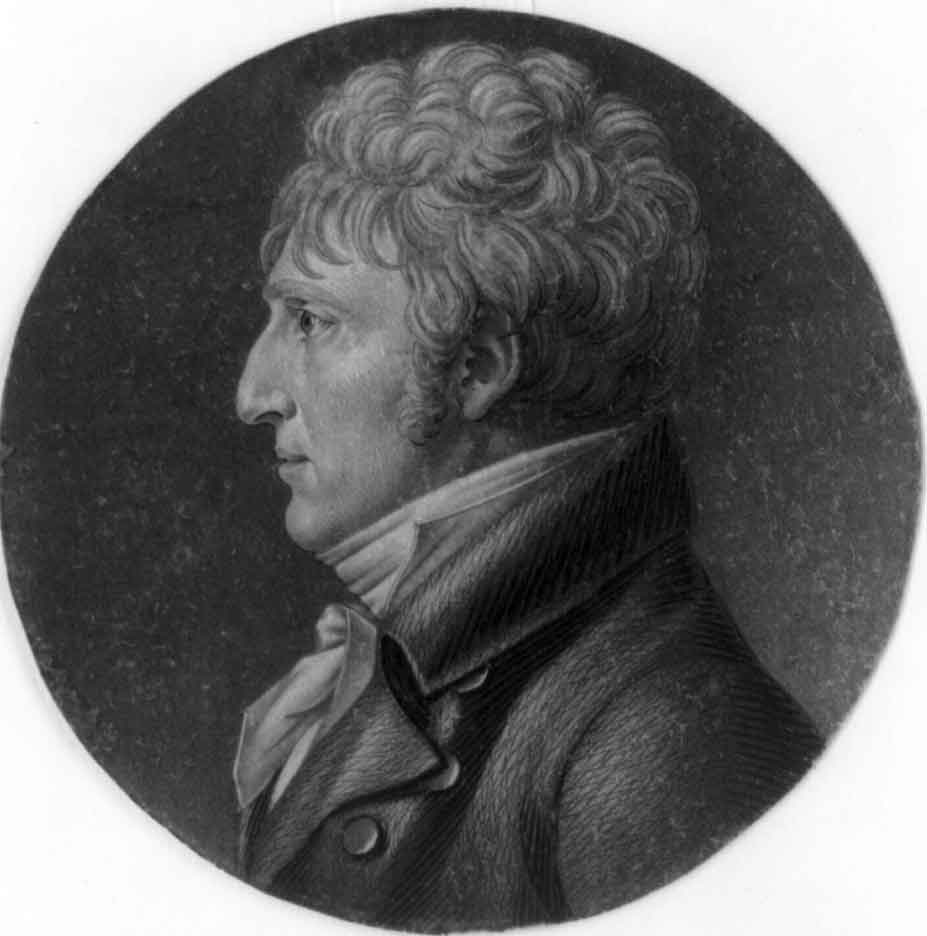
Pinckney, Charles (1758-1824) Signer of the Constitution: Born in Charleston, South Carolina, Charles Pinckney was trained for the legal profession. Before he was of age, he was elected to the provincial legislature. At the capture of Charleston during the Revolutionary War, Pinckney was taken prisoner and held until the end of the war. In 1785, he was elected to the South Carolina Congress, and became a delegate to the 1787 Philadelphia Convention. At the Philadelphia Convention, he submitted a draft of a constitution, some articles of which were eventually incorporated into the US Constitution. After signing the Constitution, Pinckney promoted its ratification in South Carolina. In 1789, Pinckney was elected Governor of South Carolina, and presided over the state convention that ratified the US Constitution. Elected to the US Senate as a Democratic-Republican in 1798, he was a frequent and capable speaker in that body. Pinckney wrote against the Alien and Sedition Acts; and, in 1800, published a series of addresses under the name "Republican" which strongly promoted Jefferson's campaign. In 1802, Jefferson appointed him Minister to Spain. In this capacity, he negotiated a treaty in which Spain agreed to give up title to any land which the US had purchased from France. Three years after his return in 1803, Pinckney became Governor of South Carolina for a fourth term. He strongly advocated war with England in 1812, and was a member of Congress from 1819 to 1821. He opposed the Missouri Compromise of 1820, and was the founder of the Old Republican Party of South Carolina. Pinckney supported the abolition of primogeniture laws and was the first South Carolina Governor to promote the establishment of free schools. He was also largely responsible for the removal of civil and political restrictions on Jews in South Carolina. Pinckney died on October 29, 1824, in Charleston, South Carolina.