William Eustis was a man who wore many hats during the foundational years of the United States, beginning his career not in politics, but in medicine. Born in Boston in 1753, he studied at Harvard and went on to serve as a dedicated military surgeon during the American Revolutionary War. Eustis was on the front lines of early conflicts, including the Battle of Bunker Hill, and later managed the army hospital at West Point, earning significant respect among early American leaders for his wartime service. His transition into politics eventually led him to the national stage, where he served as the U.S. Secretary of War under President James Madison from 1809 to 1812. Unfortunately, this chapter of his career was marred by immense controversy as he was tasked with preparing a deeply divided and ill-equipped nation for the War of 1812. Facing severe criticism for administrative oversight and early military defeats, Eustis resigned his post in late 1812 under heavy political pressure. Despite his rocky tenure in Washington, Eustis managed a remarkable political comeback by serving as the U.S. Minister to the Netherlands and later being elected Governor of Massachusetts in 1823. As governor, he successfully championed Democratic-Republican principles in a traditionally Federalist stronghold, restoring much of his tarnished reputation before dying in office in 1825. Today, his historic home, the Eustis Estate in Milton, Massachusetts, stands as a beautifully preserved testament to his family's enduring regional impact. His life remains a fascinating study of how early American leaders navigated both the triumphs of the Revolution and the harsh realities of early republic politics.
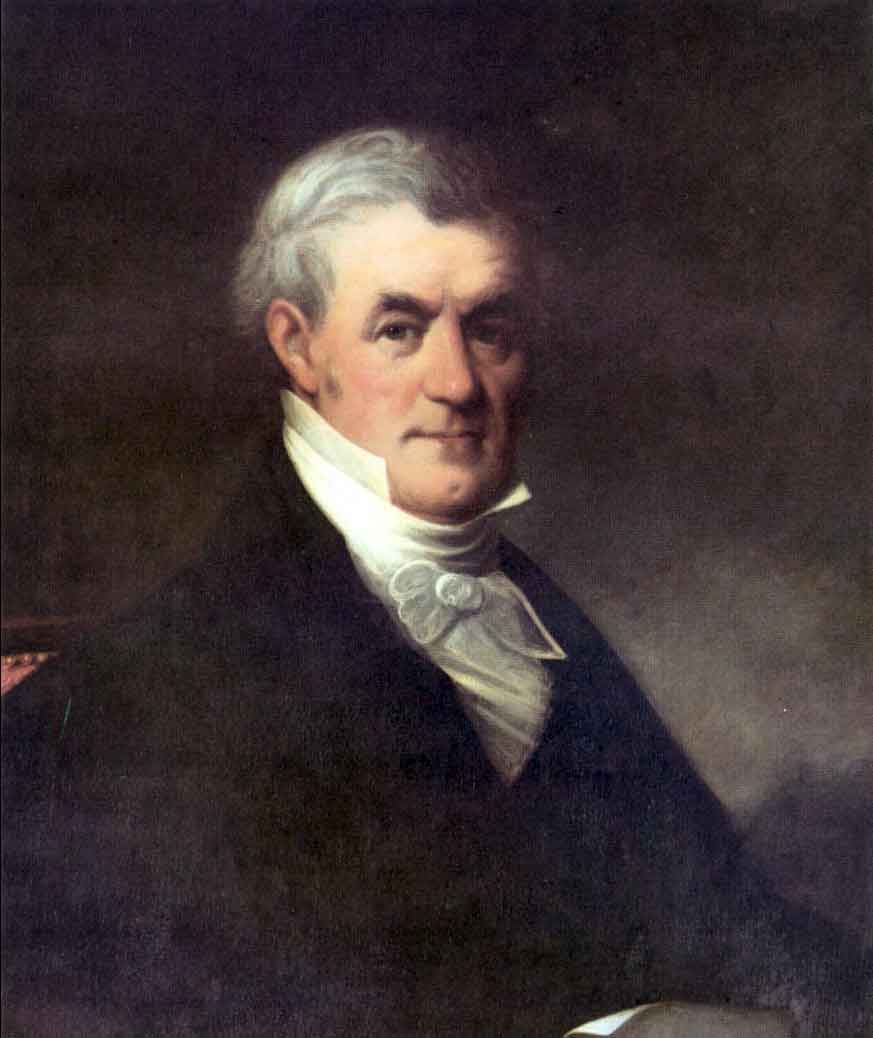
portrait — William Eustis
William Eustis
1753–1825 · Secretary of War
After graduating from Harvard in 1772, he studied medicine and joined the Revolutionary army as a regimental surgeon, serving as such and as a hospital surgeon throughout the war.