While names like Washington, Jefferson, and Hamilton dominate the pages of American history, the structural foundation of the United States was equally shaped by quiet pragmatists who operated just outside the spotlight. Among these unsung architects was David Brearley of New Jersey. A soldier, jurist, and essential framer of the U.S. Constitution, Brearley possessed a rare combination of battlefield grit and legal brilliance. Though his life was cut tragically short, his contributions to the American judiciary and the structural design of the executive branch established precedents that continue to govern the nation today. From High Treason to the Front Lines Brearley’s journey to the center of American nation-building began in Maidenhead, New Jersey, where he was born in 1745. After studying at the College of New Jersey and establishing a legal practice, he threw himself wholeheartedly into the Patriot cause as tensions with Great Britain escalated. His revolutionary zeal was so pronounced that the British authorities arrested him for high treason—a charge that might have ended his career prematurely had a defiant mob of local colonists not boldly broken him out of jail. Once the Revolutionary War officially commenced, Brearley traded his legal briefs for a military uniform. He rose to the rank of colonel in the New Jersey militia and fought on the front lines of the Continental Army, enduring the hardships of major campaigns at Brandywine, Germantown, and Monmouth. This firsthand experience with the chaotic, underfunded war effort forged in him a deep conviction that the young nation desperately needed a strong, centralized government to survive. Pioneering the Power of the Judiciary In 1779, Brearley resigned his military commission to serve his country in a different theater: the courtroom. Appointed as the Chief Justice of the Supreme Court of New Jersey at just 34 years old, he quickly made legal history. In the landmark 1780 case Holmes v. Walton, Brearley boldly ruled that a state law stripping individuals of their right to a jury trial was unconstitutional. This decision was monumental; it established one of the earliest American precedents for judicial review—the principle that the judiciary holds the power to strike down unconstitutional legislative acts. Brearley championed this check on legislative tyranny more than two decades before the U.S. Supreme Court formalized the concept nationally in Marbury v. Madison, marking him as a true visionary of American constitutional law. Designing the Modern Presidency Brearley’s legal acumen made him a natural choice to represent New Jersey at the Constitutional Convention of 1787. While he initially entered the debates as a staunch defender of small-state interests via the New Jersey Plan, his greatest impact came when he pivoted from provincial advocate to master mediator. As the Chairman of the crucial Committee on Postponed Parts, Brearley was tasked with resolving the convention’s most contentious, gridlocked issues. Under his steady, pragmatic guidance, this committee essentially designed the framework of the modern American presidency. They hammered out compromises that shortened the executive term to four years, invented the Electoral College, created the office of the Vice President, and established the vital system of checks and balances governing presidential appointments and treaties. Without Brearley's ability to forge consensus out of ideological chaos, the convention may well have collapsed. An Enduring Blueprint Following the convention, Brearley helped secure New Jersey’s swift, unanimous ratification of the Constitution and was subsequently appointed by George Washington as the state’s first federal district judge. Sadly, his brilliant career was cut short when he passed away in 1790 at the age of 45. David Brearley may lack the mythic status of his more famous contemporaries, but his fingerprints remain visible on every presidential election and every landmark judicial ruling. He proved that the quiet, meticulous work of committee rooms and courtrooms is just as vital to the preservation of liberty as the thunder of the battlefield.
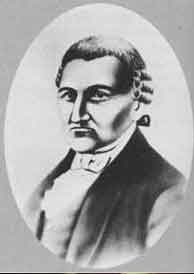
portrait — David Brealy
David Brealy
1745–1799
(June 11, 1745 – August 16, 1790) was an American Founding Father, jurist, and military officer who played a critical, yet often underappreciated, role in shaping the early legal and constitutional framework of the United States.